
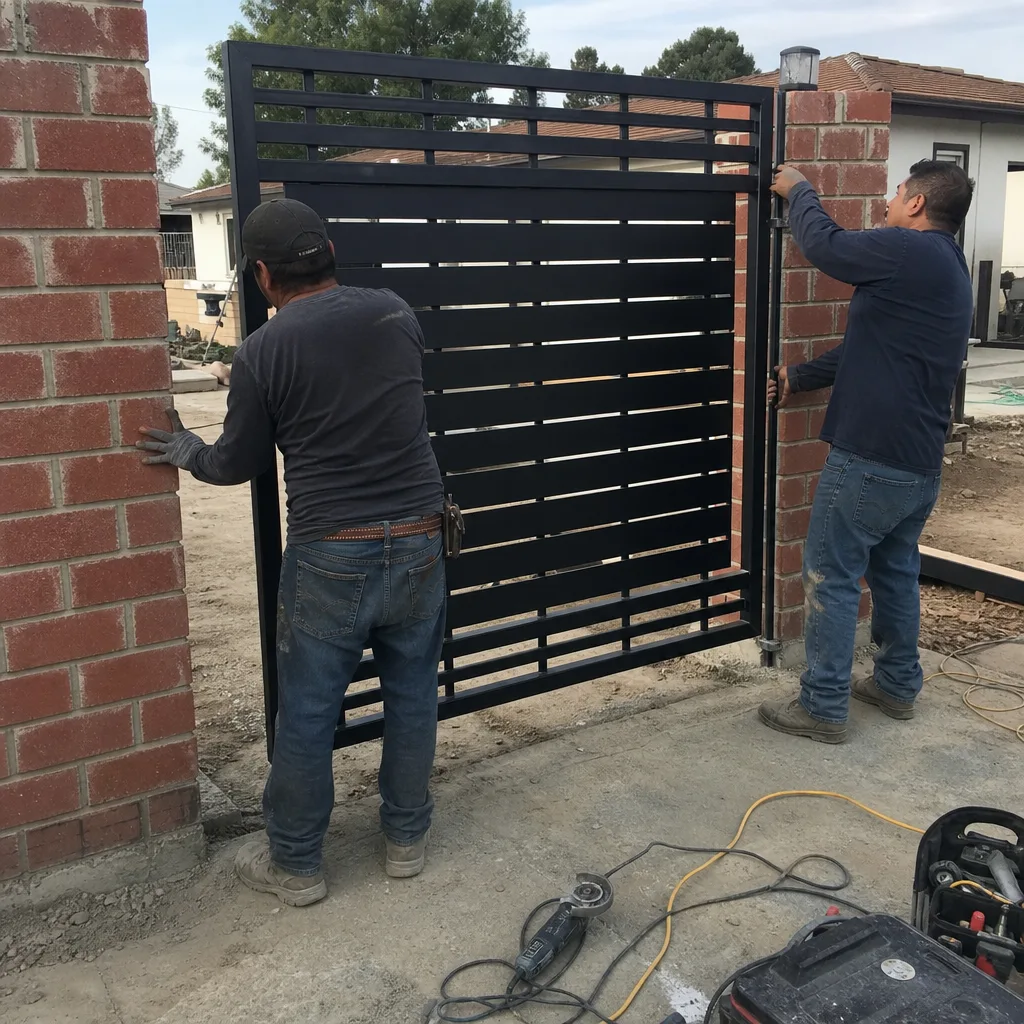
Last updated November 2, 2026
 Wrought iron
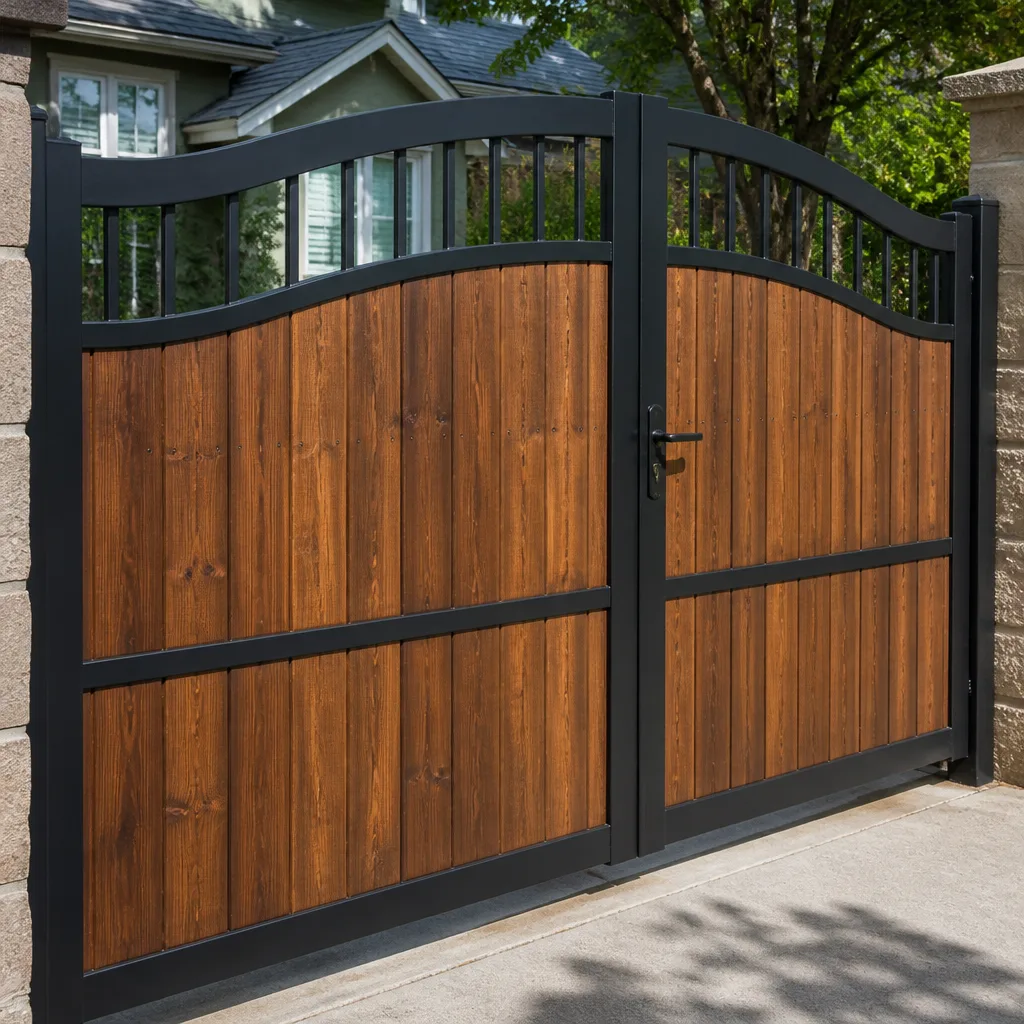 Wood & steel frame
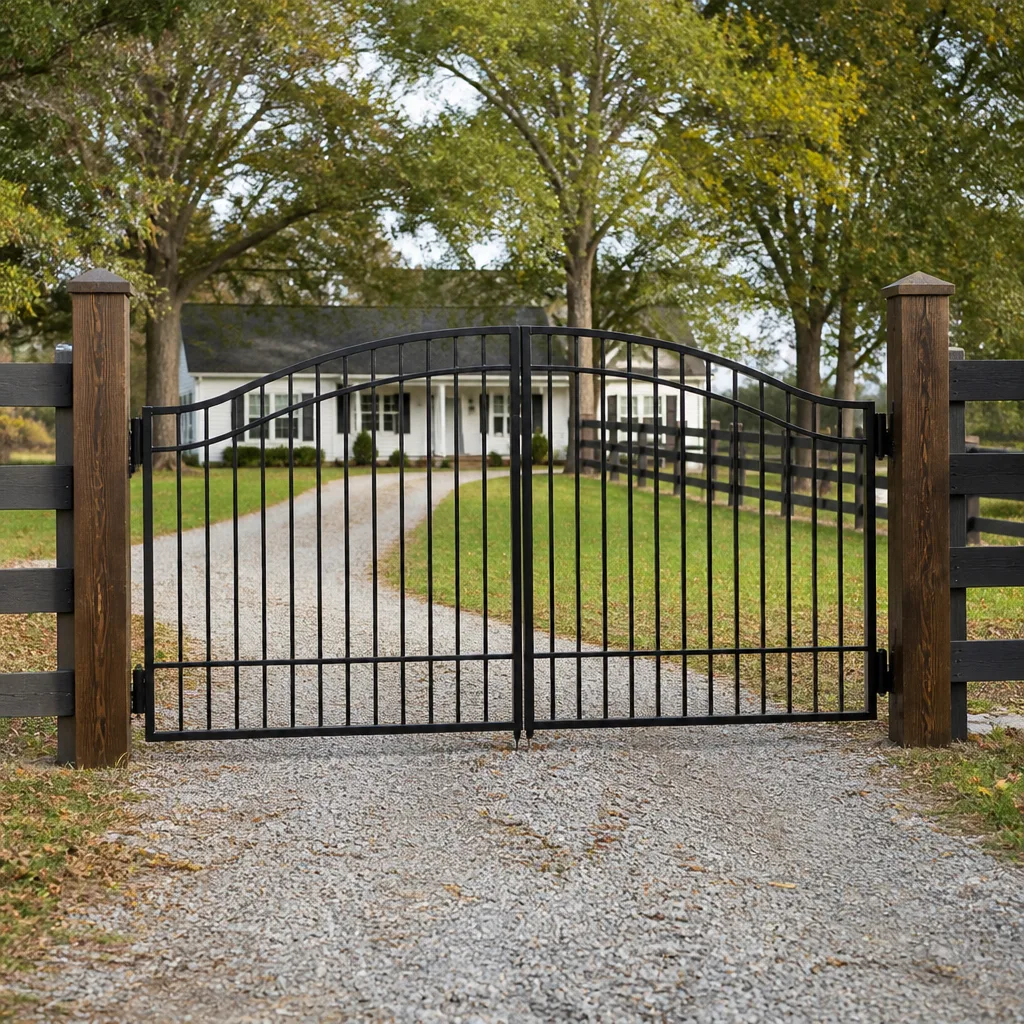 Farm & ranch
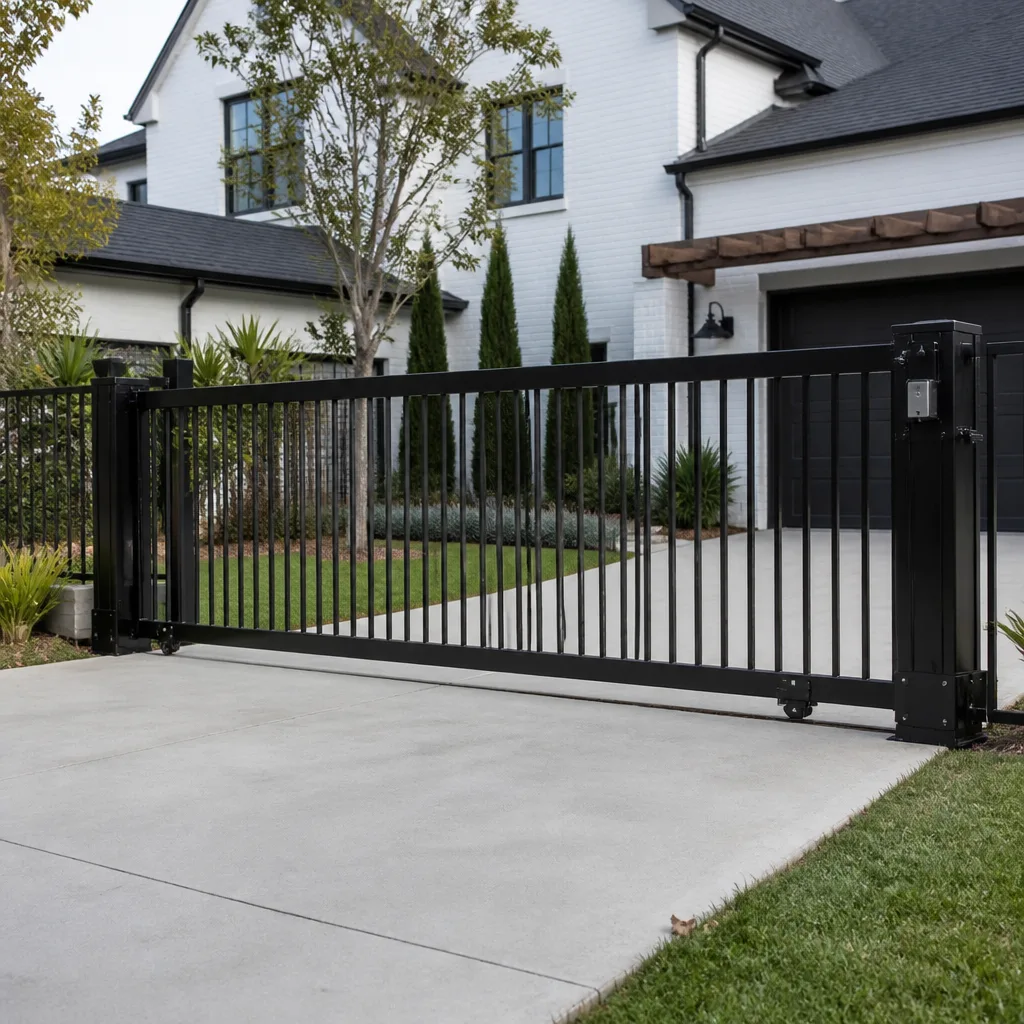 Sliding driveway gates
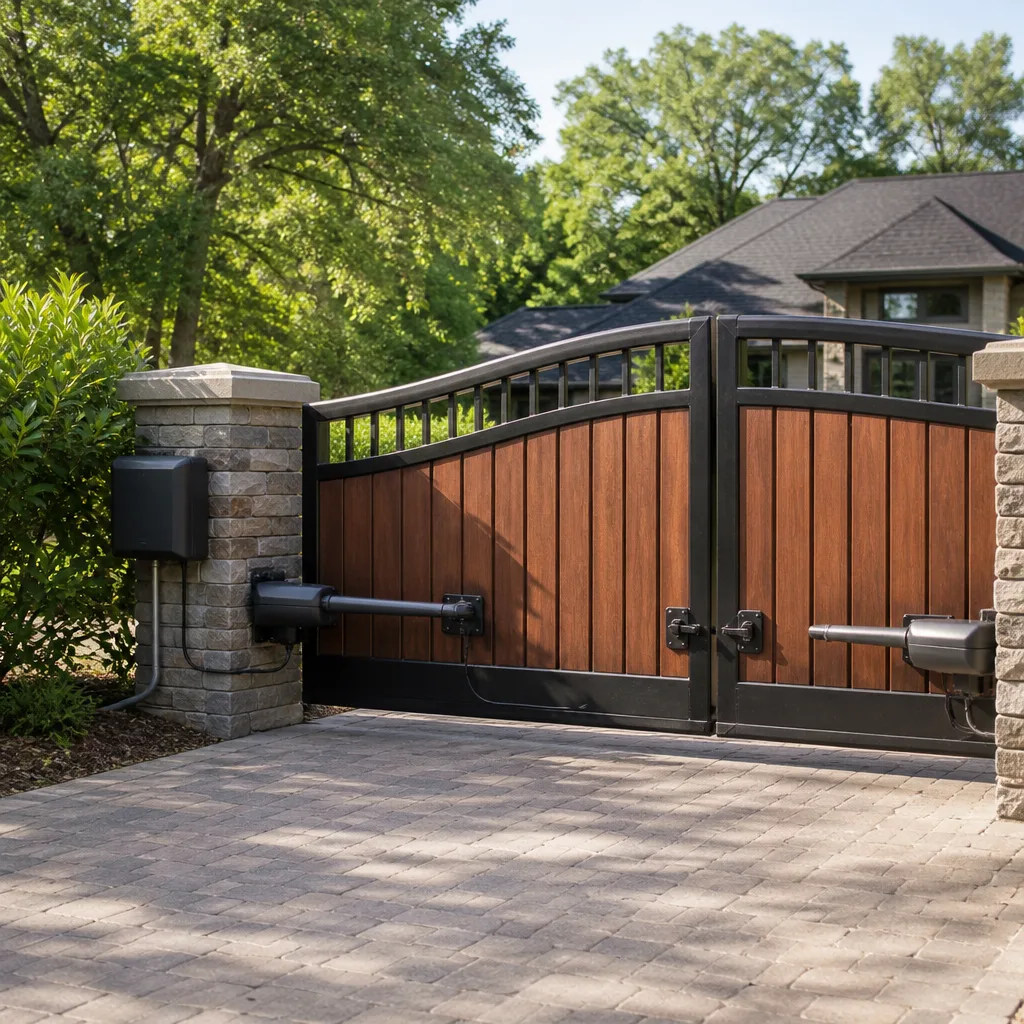 LiftMaster operators
Free on-site gate assessment - hinges, posts, and your LiftMaster or Nice gate operator checked before anything is quoted
The assessment is free and the quote is the invoice.
Get your free estimateGate Repair Warning Signs: A South Gate Homeowner’s Reference Guide
Here’s a fact most South Gate homeowners don’t learn until they’ve already paid for the wrong repair: a gate that opens fine but closes slowly isn’t a motor problem. It’s almost always a safety loop or sensor fault causing the controller to apply a deliberate speed reduction. Replacing the motor won’t fix it. This reference maps the observable symptoms your gate is showing to their most likely root causes, so you can describe the problem accurately, avoid unnecessary parts swaps, and get the right repair the first time. We’ve built this guide from years of Gate Repair work diagnosing gates across South Gate, where the mix of older mechanical gates and newer automation systems creates failure patterns you won’t find in a generic manual.
Styles & brands we work with
- Wrought iron
- Wood & steel frame
- Farm & ranch
- Sliding driveway gates
- LiftMaster operators
Quick Answer
Gate repair warning signs fall into three categories: mechanical (grinding, sagging, jerky movement), electrical (remote range loss, intermittent operation, no response from keypad), and safety-system faults (closing on objects, refusing to close, reversing unexpectedly). The fastest way to identify what’s wrong is to observe whether the symptom appears consistently or intermittently, and whether it’s tied to the gate’s physical movement or its control electronics. In South Gate, the most common calls we get involve worn rollers on slide gates, failed photo eyes on swing gates, and capacitor failures on older LiftMaster and DoorKing operators.
Table of Contents
- Symptom-to-Cause Reference: The 12 Warning Signs That Matter
- Mechanical vs. Electrical: Reading the Signs Without Tools
- How Warning Signs Differ by Gate Type: Swing, Slide, and Barrier Arm
- Three Warning Signs That Demand Same-Day Service
- How to Document Warning Signs Before You Call
- What South Gate’s Local Conditions Do to Gate Systems
- Common Mistakes to Avoid
- When to Call a Professional
- Frequently Asked Questions
- The Bottom Line
Symptom-to-Cause Reference: The 12 Warning Signs That Matter
Every gate failure starts as a warning sign. The problem is that most warning signs are ambiguous without context. A grinding sound could mean three different things depending on whether you have a slide gate or a swing gate. A remote that works “sometimes” points to a different failure than one that stopped working entirely. Here’s the reference table we use when homeowners in South Gate call us describing symptoms. Use it to narrow down what you’re dealing with before you pick up the phone.
| Symptom | Most Likely Cause | Secondary Possibilities | Typical Repair Path |
|---|---|---|---|
| Gate opens but closes slowly | Safety loop or photo eye fault causing deliberate speed reduction | Worn capacitor, low voltage at motor | Test and replace sensor, verify loop detector, check power supply |
| Grinding during movement | Worn rollers (slide) or hinge bearings (swing) | Debris in track, failing gearbox | Replace worn hardware, clean and lubricate track, inspect gearbox |
| Gate starts then stops midway | Obstruction detection triggering falsely, or limit switch drift | Overheating motor, binding in track | Adjust limits, test safety sensors, inspect track alignment |
| Hesitation before movement | Failing start capacitor on older operators | Low incoming voltage, worn drive belt | Test capacitor, verify power supply, inspect belt tension |
| Remote range reduced to a few feet | Failing receiver board or antenna damage | Interference from new electronics nearby, weak remote battery | Test receiver sensitivity, inspect antenna, check for new interference sources |
| Gate reverses after closing | Safety edge or photo eye detecting phantom obstruction | Misaligned limit switch, binding near closed position | Adjust safety sensors, set limits correctly, inspect closing path |
| Keypad works intermittently | Weather damage to keypad membrane or wiring | Loose connection at control board | Replace keypad, secure wire terminations |
| Gate moves in jerky increments | Worn gear or sprocket teeth (slide), failing chain tensioner | Debris on rack, motor bearing wear | Inspect drive components, replace worn gears, clean rack |
| Humming sound but no movement | Failed start capacitor, seized motor bearing, or jammed gearbox | Obstruction in track, broken belt | Isolate whether motor or mechanical, replace failed component |
| Gate drifts open or closed after stopping | Worn clutch or brake mechanism | Gearbox wear allowing back-drive | Adjust or replace clutch, inspect gearbox internals |
| Frequent blown fuses or tripped breaker | Short in motor winding, damaged wiring insulation, or failing transformer | Lightning damage to control board | Trace wiring, test motor resistance, replace damaged components |
| Gate opens on its own | Phantom loop activation from a faulty loop detector | Stuck transmitter button, water intrusion in receiver | Test loop detector, check receivers for moisture, rule out remote issues |
What this table tells you is that most symptoms are not self-explanatory. The same observable behavior can trace back to three different systems. That’s why Gate Repair in South Gate starts every job with a diagnostic phase, not a parts order. We identify which of the three possibilities is actually present before touching anything.
Mechanical vs. Electrical: Reading the Signs Without Tools
You don’t need a multimeter to give a technician useful information. Most homeowners can separate mechanical problems from electrical ones using three observations: sound, sight, and consistency. Here’s how to read each.
Sound: What You Hear Tells You Where to Look
Mechanical problems make mechanical sounds. Grinding, scraping, squealing, clicking. These sounds are physical components interacting badly. A scrape that happens at the same point in the gate’s travel every time means the same spot on the track or hinge is involved each pass. That’s a mechanical wear pattern.
Electrical problems are usually silent. A capacitor that can’t deliver enough starting torque produces a low hum. A relay that fails to fire produces nothing at all. A control board with a bad component may work fine for hours, then fail with no audible warning. If your gate makes unusual sounds, think mechanical first. If it behaves oddly without unusual sounds, think electrical.
Sight: What You Can See Without Opening Anything
Walk the gate’s travel path and look at these five points:
- Track or pavement condition: Slide gates ride on a track that collects debris in South Gate’s dry season. Look for gravel, dirt buildup, or visible wear on the rail surface.
- Roller or wheel condition: If rollers are visible, check for flat spots, wobble, or accumulated grime that’s changing their diameter.
- Hinge and pivot points on swing gates: Look for visible sag. A swing gate that’s dropped a quarter-inch puts strain on every other component.
- Photo eye alignment: If your gate has visible safety sensors, check whether they’re still pointing at each other. A bumped sensor causes phantom obstruction behavior.
- Chain or belt tension: Slack in the drive chain or belt shows up as hesitation when the gate starts moving.
Consistency: The Single Most Useful Diagnostic Data Point
Does the problem happen every time the gate operates, or only sometimes? A gate that grinds on every cycle has a consistent mechanical wear issue. A gate that works perfectly for three days, then refuses to open on the fourth morning, points to an intermittent electrical fault: a marginal solder joint, a temperature-sensitive component, or moisture intrusion that dries out.
Intermittent faults are the hardest to diagnose because they hide. We tell South Gate homeowners to keep a simple note of when the gate misbehaves: what time, what the weather was like, and whether the gate had been used recently. These three data points frequently reveal the pattern that pinpoints an intermittent fault without guesswork.
How Warning Signs Differ by Gate Type: Swing, Slide, and Barrier Arm
The same symptom means different things on different gate types. A grinding sound on a slide gate is usually a roller problem. A grinding sound on a swing gate is usually a hinge or pivot problem. If you describe the symptom without specifying your gate type, you’ll get generic advice. Here’s how to read signs by gate type.
Swing Gates: Watch the Hinges, Pivot Points, and the Arc Path
Swing gates move through an arc, and every component along that arc wears. The most common South Gate swing gate failures we see are:
- Hinge wear causing sag: A gate that’s dropped even a quarter-inch drags at the far end of its travel. The motor compensates by pulling harder, which accelerates wear on the operator.
- Pivot bearing failure: Makes a distinct grinding or popping sound that occurs at the same point in the arc every time.
- Obstruction in the swing path: A tree root, a shifted paver, or a newly installed planter can interfere with the gate’s travel. The gate doesn’t care what the obstruction is; it just registers resistance and either reverses or stops.
- Wind load strain: South Gate gets steady afternoon winds, and a solid-panel swing gate acts like a sail. Wind pushing against the gate forces the motor to work harder and can trigger the operator’s obstruction detection. If your gate struggles mainly on windy days, this is likely the issue.
Mighty Mule and Ghost Controls operators are common on residential swing gates in South Gate, and they have specific sensitivity settings for obstruction detection. When they’re set too sensitive, the gate reverses for no visible reason. When too low, the gate can push against a real obstruction and trip an overload.
Slide Gates: Track, Rollers, and the Chain Drive
Slide gates carry their entire weight on rollers and a track, which means they wear differently than swing gates. The failure points we see most often in South Gate:
- Roller bearing failure: Rollers take the full weight of the gate every cycle. When a bearing fails, the gate rides on a flat or seized roller, creating drag that mimics a motor problem.
- Track contamination: South Gate’s dry climate creates fine dust that works its way into the track. Mixed with a little moisture from morning dew, it forms a grinding paste that accelerates roller wear.
- Chain or belt slack: Drive chains stretch over time. When slack develops, the gate hesitates on startup as the slack is taken up, then jerks into motion. This is mechanically simple to fix but often misdiagnosed as a control board issue.
- Rack alignment: The rack (the toothed rail the drive gear rides on) can shift out of alignment if the concrete pad settles or a vehicle clips the gate. Misalignment shows up as a grinding or knocking sound during movement.
Commercial slide gates in South Gate often use LiftMaster or DoorKing operators. Both brands build in diagnostic LED codes that report specific faults, but you need to know what the code means. That’s part of the multi-brand expertise that Electric Gate Repair in South Gate brings to every service call: we’ve seen the fault codes across nine major brands and know what they’re actually telling us.
Overhead Barrier Arms: Different Physics, Different Failures
Barrier arms (the type used at parking lots and some gated communities) fail differently than swing or slide gates. The arm itself is balanced by a spring or counterweight, and the operator is usually a smaller motor designed for rapid open/close cycles. Common warning signs include:
- Arm drift when stopped: Indicates a spring or counterweight problem, not a motor problem.
- Slow arm movement with a healthy motor sound: Often a gearbox issue specific to the high-cycle design of barrier operators.
- Arm bouncing at the end of travel: Indicates worn limit settings or a loose mechanical stop.
Elite and BFT make barrier arm operators commonly found at commercial properties in the South Gate area. These systems are built for high duty cycles, but when they fail, the failure is usually mechanical (gearbox or spring) rather than electronic.
Three Warning Signs That Demand Same-Day Service
Most gate problems are inconveniences. Three specific warning signs indicate a genuine safety hazard, and these should be addressed immediately. A gate that closes on a person, a child, or a vehicle is not something to schedule for next week.
- Gate closes on objects in its path without reversing. This means the safety sensors (photo eyes or contact edges) are not functioning, or the operator’s obstruction detection is disabled. Every automatic gate in South Gate is required to have functional entrapment protection. A gate that doesn’t reverse on contact is a crush hazard. Shut the gate off at the breaker and call for same-day service.
- Swing gate drifts closed on its own. A swing gate that won’t stay in the open position can strike a person or vehicle entering the driveway. This points to a failed clutch, worn gearbox, or, on hydraulic operators, a leaking cylinder. Any of these can cause the gate to move without command, which is why a drift means disconnect the operator and have the drive mechanism inspected.
- Gate accelerates or moves without a command. If your gate starts moving when nobody pressed a remote, a keypad code, or a loop sensor wasn’t triggered, something is wrong in the control circuit. This is less common than the other two, but when it happens, it’s dangerous. A gate that moves uncommanded can trap someone between the gate and a post. This is a same-day Gate Repair South Gate home service call, no exceptions.
If you see any of these three behaviors, turn the gate’s power off at the dedicated breaker. Don’t try to operate the gate manually without knowing how to release the operator first, especially on slide gates where the gate can roll freely once the drive is disengaged. A specialist can assess the failure safely and restore or replace the safety components correctly.
How to Document Warning Signs Before You Call
Most South Gate homeowners call us after a gate has been misbehaving for weeks, and they can’t quite describe what it does, so we always recommend our How to Hire a Gate Repair Contractor in South Gate: A Step-by-Step Guide as preparation. That’s understandable; gate failures are not top of mind until they’re blocking your driveway. But five minutes of documentation before you call can cut the diagnostic time significantly, and that means a faster repair and a lower service bill.
Here’s the simple process we recommend:
- Record a 20-second video of the gate in normal operation. Even if the gate is working at that moment, a baseline video shows a technician what “normal” looks like for your specific installation. When the gate is misbehaving, record that too. A side-by-side comparison is diagnostic gold.
- Note the time and frequency of the problem. Does it happen every cycle, or only on the first use of the day? First-use failures often point to a component that’s temperature-sensitive or a capacitor that can’t deliver a cold start.
- Check what the weather was doing. Rain in South Gate is rare, but when it comes, water intrusion into keypads and control boxes is a common failure source. Morning condensation can also play a role. If the gate fails only after rain or heavy dew, that’s a moisture clue.
- Test each control method separately. Keypad, wall button, remote, and loop sensor (if you have one). If one method works and another doesn’t, the fault is in that input device, not the gate mechanism itself. If none work, the fault is likely in the control board or power supply.
- Look at the gate’s physical condition. Take three photos: the track or hinge area, the operator unit, and the gate’s closed position. These photos help us prepare the right parts before arriving, which is faster for you.
This documentation habit is one of the most valuable things a homeowner can do. When you call Gate Installation in South Gate or our repair team with a clear description plus a video, we can often tell you over the phone whether the issue is likely mechanical, electrical, or safety-system related, and bring the right tools and parts on the first trip.
What South Gate’s Local Conditions Do to Gate Systems
South Gate sits in a specific environmental band that affects gate hardware in predictable ways. Understanding these local factors helps homeowners recognize whether a warning sign is environmental, routine wear, or something more serious, as covered in our Seasonal Gate Repair Care for South Gate: Year-Round Homeowner’s Guide.
South Gate’s climate is dry most of the year, which means dust. That dust is fine and alkaline, and it works its way into every moving part: rollers, hinges, chains, and gear teeth. When a gate operates in a dusty environment, lubrication gets contaminated over time. What starts as a lubricating grease becomes a cutting compound. This is why South Gate slide gates show roller and track wear faster than identical installations in less dusty areas.
The second local factor is the temperature swing between cool coastal mornings and hot inland afternoons. South Gate gets both marine influence and inland heat depending on the day. Electronic components expand and contract with these swings. Solder joints that are marginally connected can fail when the control board heats up in the afternoon sun, then work fine the next morning. This thermal cycling is behind many of the intermittent failures we diagnose in South Gate, and it’s something a generic gate tutorial never mentions.
Third is the local mix of older mechanical gates and newer automated systems. South Gate has a lot of properties where a manual gate was converted to automation years ago, often with a retrofit operator. Retrofits work, but they can introduce alignment and load issues that factory-designed automated gates don’t have. When a retrofit gate shows warning signs, the first thing we check is whether the gate itself is still square and balanced before we look at the operator.
These local factors mean that South Gate homeowners benefit from working with a company that sees these patterns regularly, not a general contractor who sees one gate a month. We’re on South Gate gates every week, and we can usually tell you within a few minutes whether a symptom is routine local wear or an actual component failure in progress.
Common Mistakes to Avoid
- Replacing the remote batteries before checking anything else. If the wall button works but all remotes fail simultaneously, the problem is the receiver, not three dead batteries. Replacing batteries in every remote first just delays the real repair and costs money without solving anything.
- Lubricating the track without cleaning it first. In South Gate’s dust, spraying lubricant onto a dirty track creates a grinding paste that accelerates wear. Clean first, then lubricate, and use the right product for the surface. Ask us what we recommend for your specific track type.
- Assuming a slow gate means a weak motor. As covered above, slow closing is usually a sensor or loop issue. Speed problems are almost never solved by replacing the motor. A specialist can tell the difference in minutes.
- Ignoring a gate that works “most of the time.” Intermittent failures are warning signs of a component that’s going to fail permanently, usually at the worst possible time. The day your gate stops opening entirely is not the day you want to start looking for repair services.
- Pushing the gate manually without engaging the operator’s manual release. Forcing a slide gate against a locked operator can strip gears and turn a simple fix into a full drive replacement. Every operator has a manual release mechanism; use it before attempting to move the gate by hand.
- Misreading a tripped breaker as an electrical emergency. A tripped breaker is a symptom, not a diagnosis. Reset it once. If it trips again, stop resetting it and have the circuit traced. Repeatedly cycling a breaker on a faulted circuit can damage the control board.
- Believing that “the gate has always worked fine” means nothing changed. Gates don’t fail for no reason. Something changed: a component wore out, a sensor shifted, moisture intruded, or a bump altered alignment. Assuming the problem will resolve itself is a decision to let a small repair become a large one.
When to Call a Professional
Call a gate specialist when you see any of the three safety-critical signs listed above, when the gate has stopped responding to any control method, when you hear grinding or popping from the operator or hinges, or when the problem has persisted through your own basic troubleshooting (checking breakers, replacing remote batteries, confirming nothing blocks the gate’s path). Anything involving the motor, control board, safety loops, or main drive components is not a DIY repair. These systems operate under tension and can cause real injury when handled incorrectly.
Gate Repair South Gate offers free estimates in South Gate. Call (833) 620-0289 and describe what you’re seeing. We work on gate systems from LiftMaster, DoorKing, Elite, Mighty Mule, and five other major brands, so whatever you have, we can diagnose it properly.
Frequently Asked Questions
A gate that opens fine but closes slowly is almost always a safety loop or photo eye fault causing the controller to apply a deliberate speed reduction. The controller is protecting against closing on an object it thinks might be present. Check for misaligned photo eyes, debris blocking sensors, or a faulted loop detector. If the sensors are clean and aligned, the loop detector itself is likely failing. Call (833) 620-0289 for a diagnostic visit; we fix this specific issue regularly across South Gate.
Intermittent remote operation is usually a failing receiver board, a damaged antenna, or new radio interference from nearby electronics. Check whether the keypad and wall button work consistently: if they do, the issue is isolated to the remote link, not the gate’s control system. If all control methods are intermittent, the problem is likely in the control board. We can test receiver sensitivity and trace the fault during a single service call in South Gate.
Gate repair costs in South Gate vary depending on whether the failure is mechanical or electrical, but simple roller replacements, sensor realignments, and keypad swaps are typically minor repairs, while control board replacements, motor overhauls, and full drive replacements are larger jobs. Every repair starts with a diagnostic visit to identify the exact failure before any work is quoted. Call (833) 620-0289 for a free estimate; the quoted price is agreed before any work starts.
Yes. We service LiftMaster, DoorKing, Mighty Mule, Elite, and five other major gate automation brands. Our technicians are trained across nine brand ecosystems, which means we diagnose and repair what’s installed rather than pushing a brand replacement. If you know which operator you have, mention it when you call and we’ll bring the right diagnostic equipment for that specific system.
A grinding sound means metal components are wearing against each other. On slide gates, the most common cause is failing rollers or debris in the track. On swing gates, it’s usually hinge or pivot bearing wear. Stop using the gate until it’s inspected; continued operation turns a bearing replacement into a track and gearbox replacement. We can identify the exact source within minutes on site in South Gate.
Yes, same-day service is available in South Gate for urgent repair needs, particularly safety-related failures like a gate that closes without reversing or drifts on its own. Non-emergency repairs can usually be scheduled within a day or two. Call (833) 620-0289 as early as possible and describe the symptom; we prioritize safety issues immediately.
The Bottom Line
Gate warning signs are not random. They’re specific failure patterns pointing to specific components, and reading them correctly saves you from paying for the wrong repair. The gate that closes slowly isn’t asking for a new motor; it’s telling you a sensor has failed. The grinding sound isn’t asking for more grease; it’s telling you a bearing is worn out. South Gate homeowners who document symptoms carefully and work with a multi-brand gate specialist get faster diagnoses, more accurate quotes, and repairs that last; see our more guides & resources for additional help. When your gate starts warning you, listen to what it’s actually saying. Then call someone who knows how to interpret it.
Written by the team at Gate Repair South Gate, serving South Gate since 2013.
See the difference
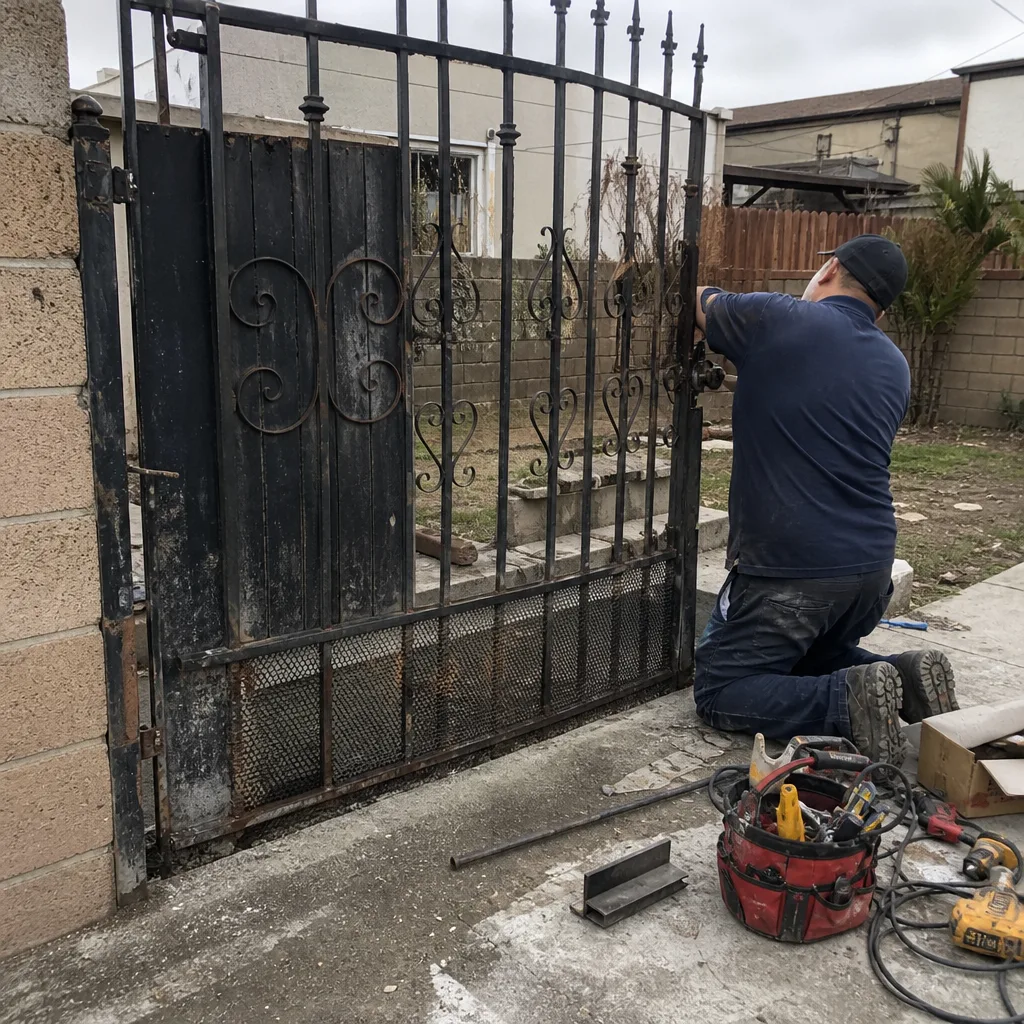 Before
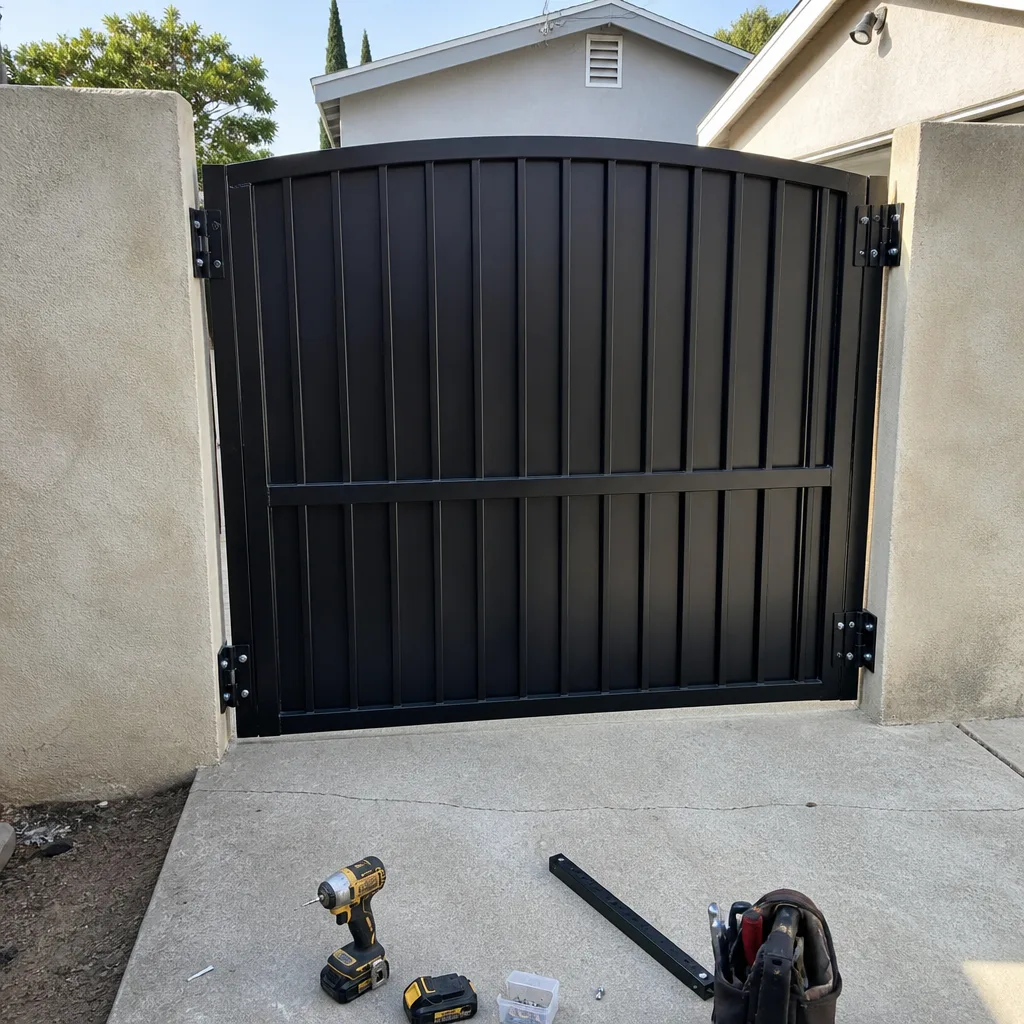 After
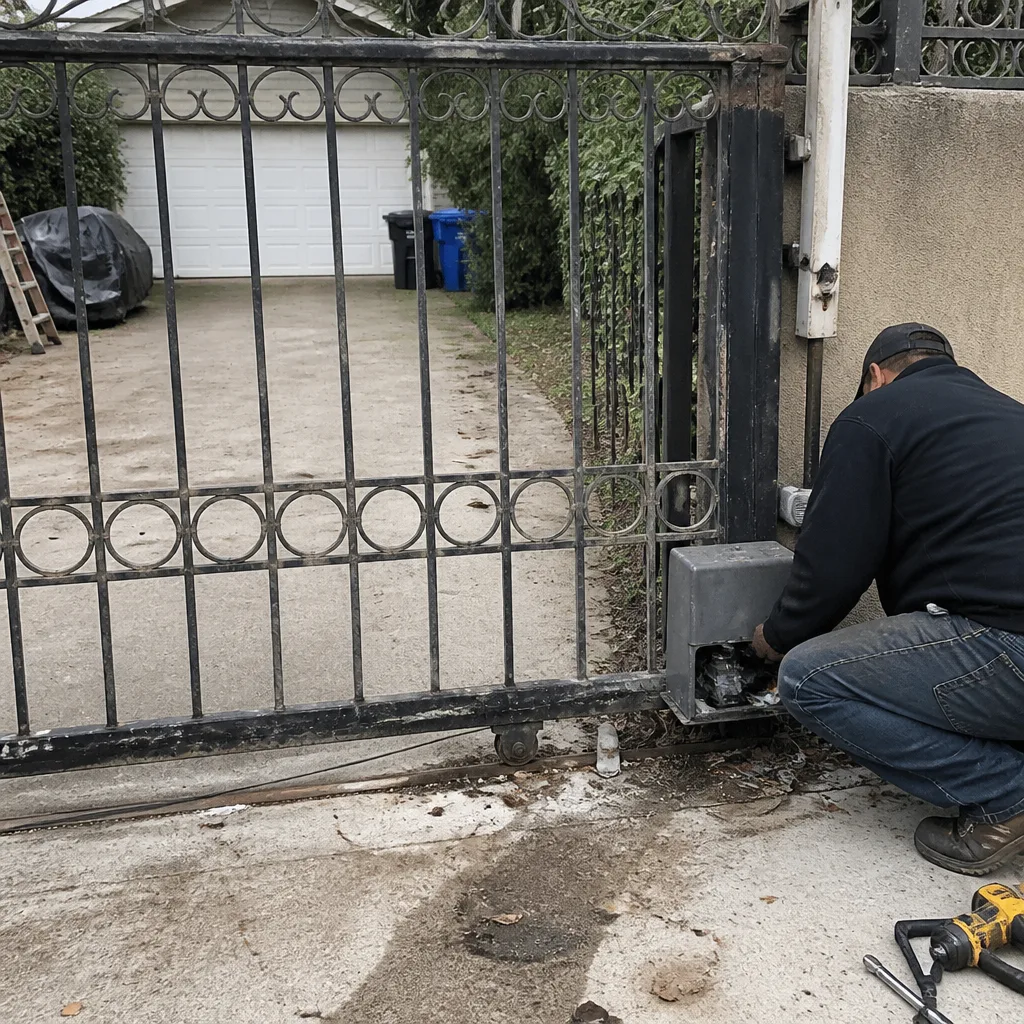 Before
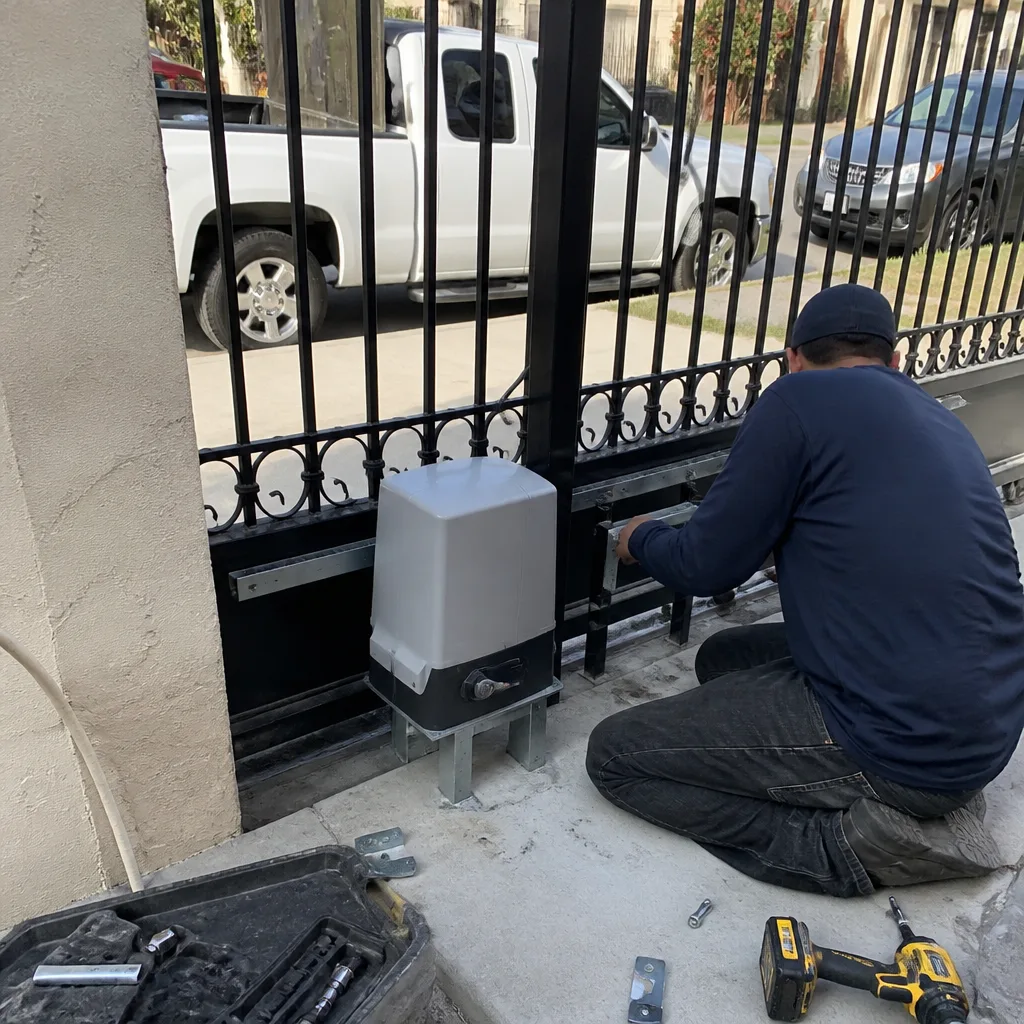 After
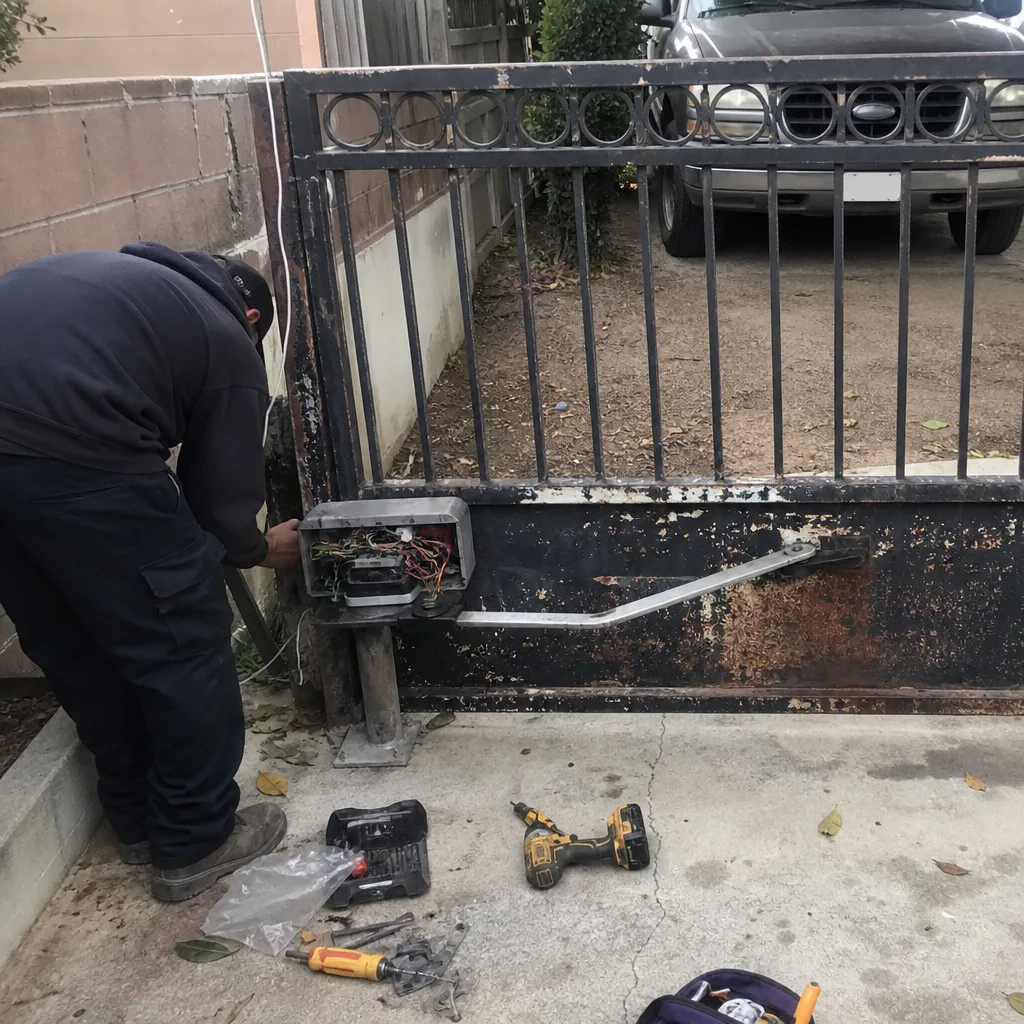 Before
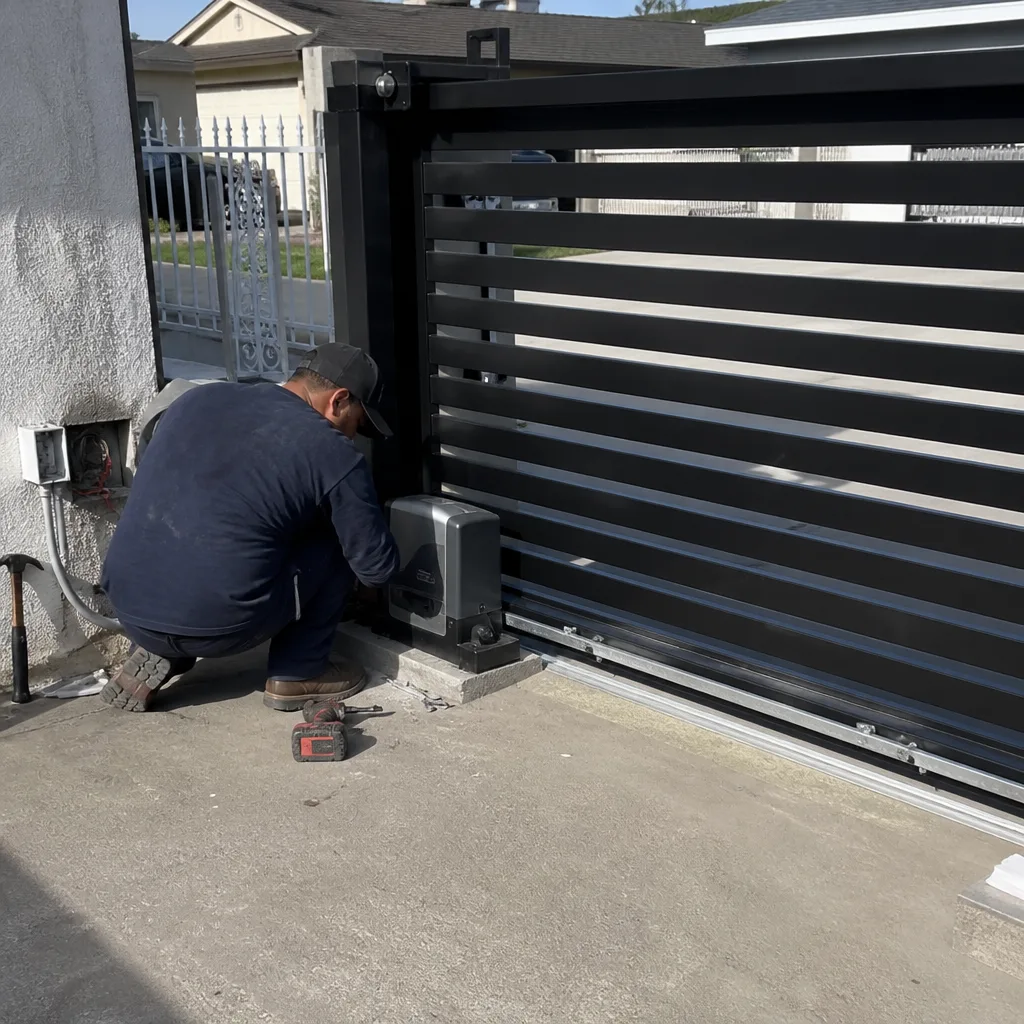 After