
Last updated November 2, 2026
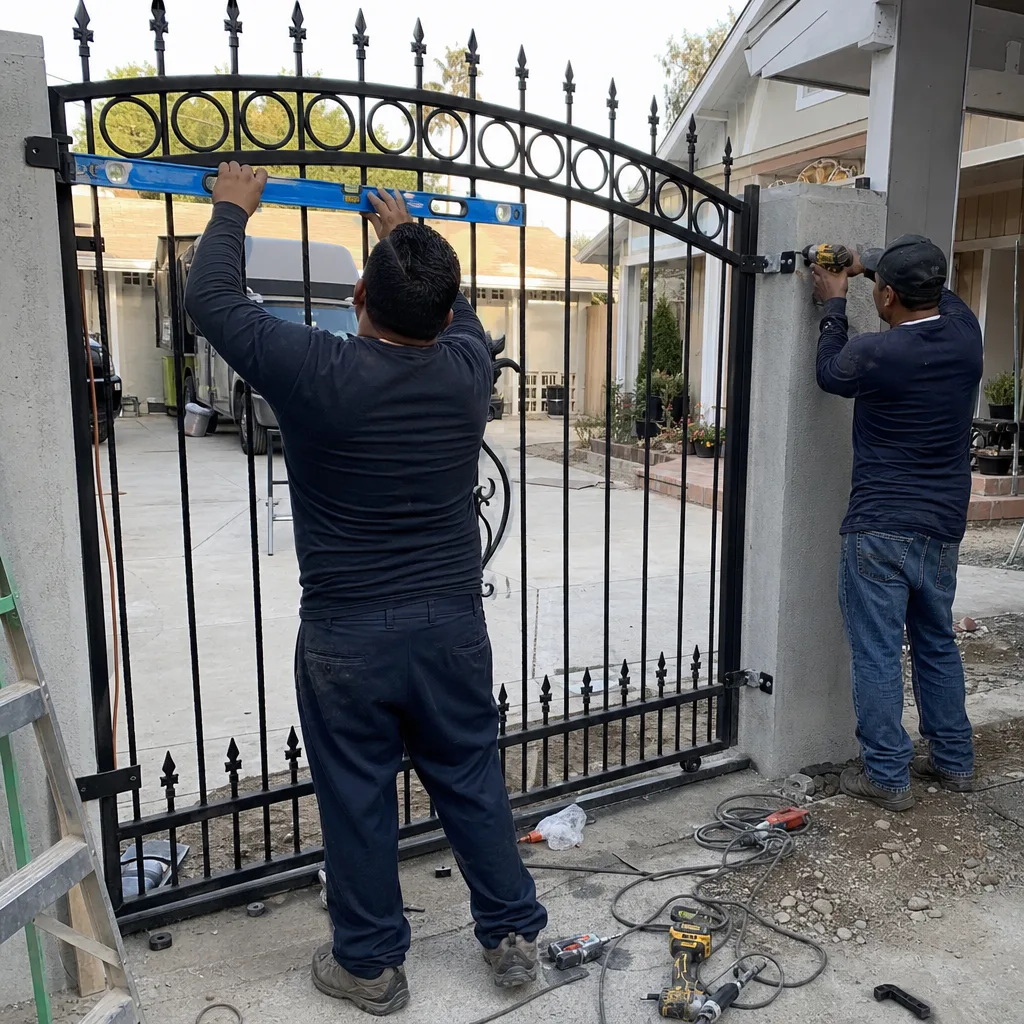
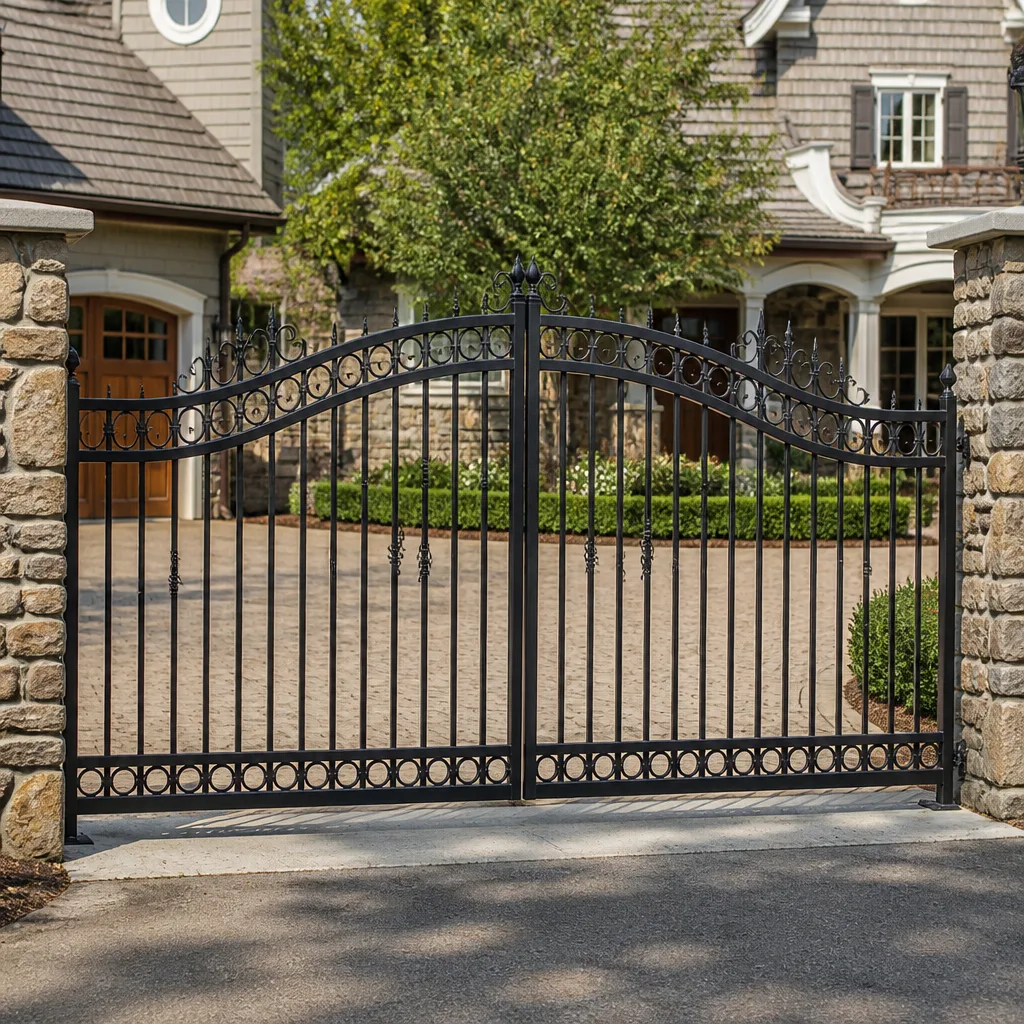 Wrought iron
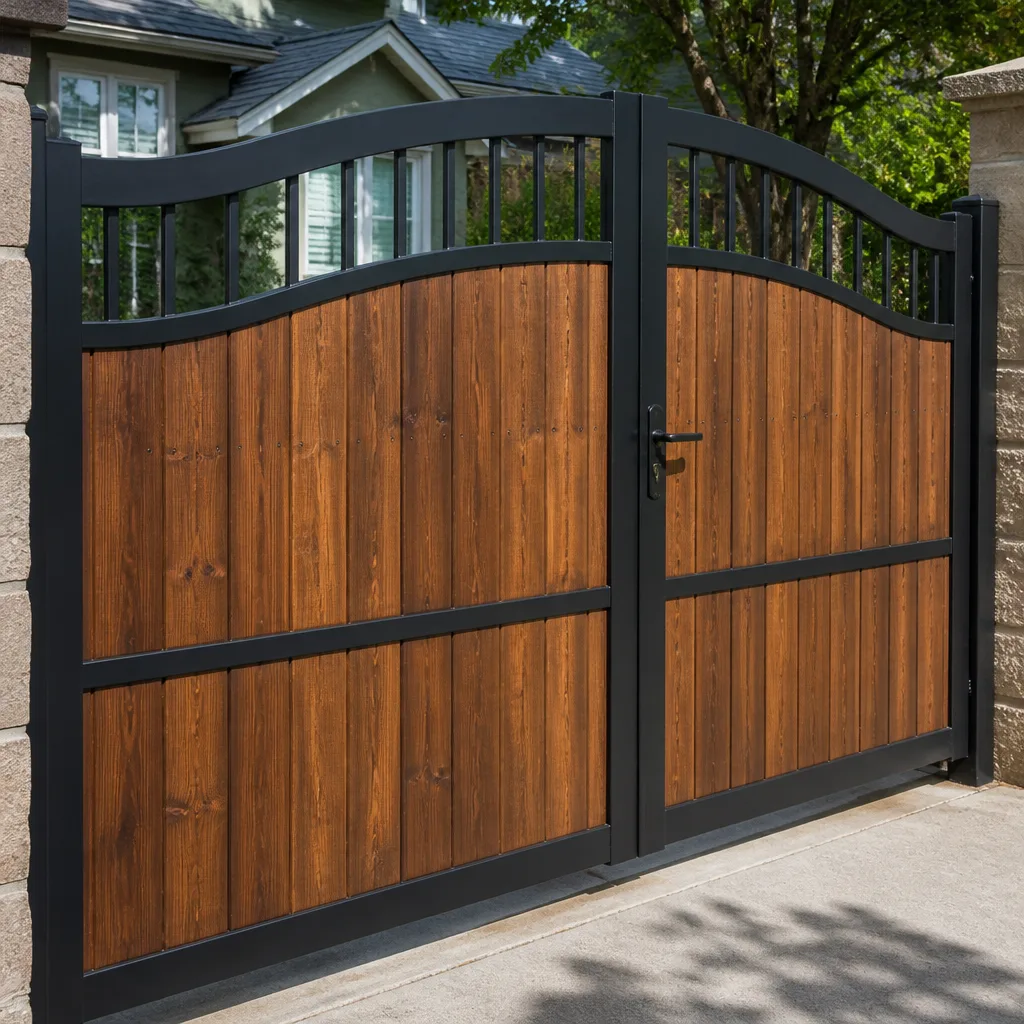 Wood & steel frame
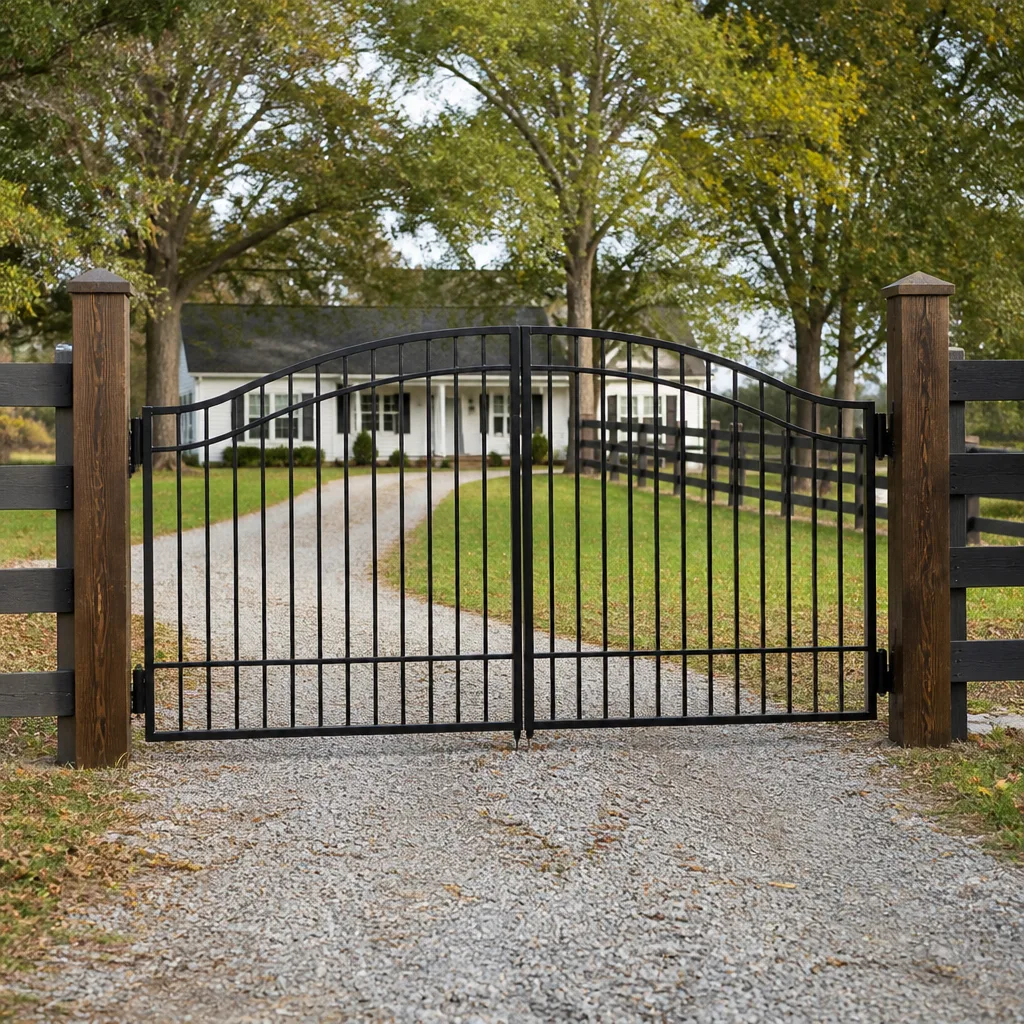 Farm & ranch
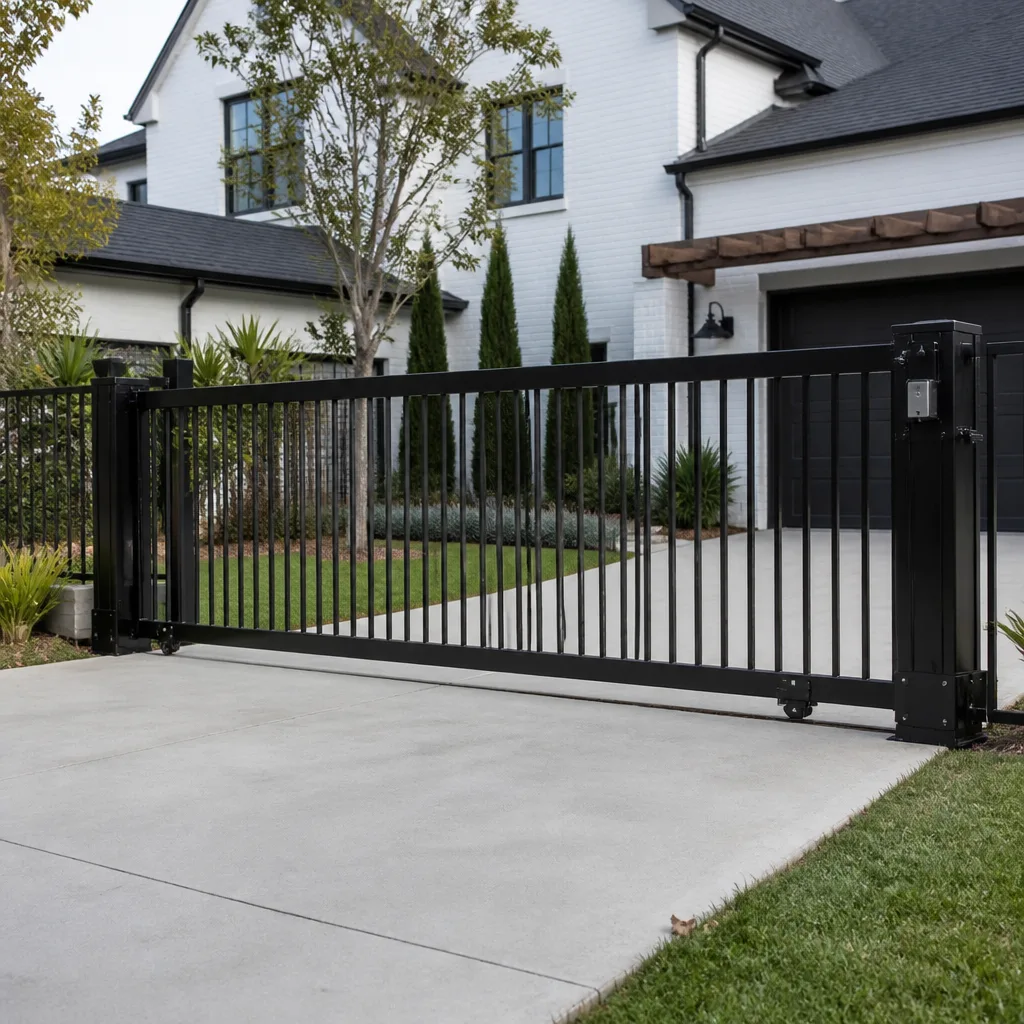 Sliding driveway gates
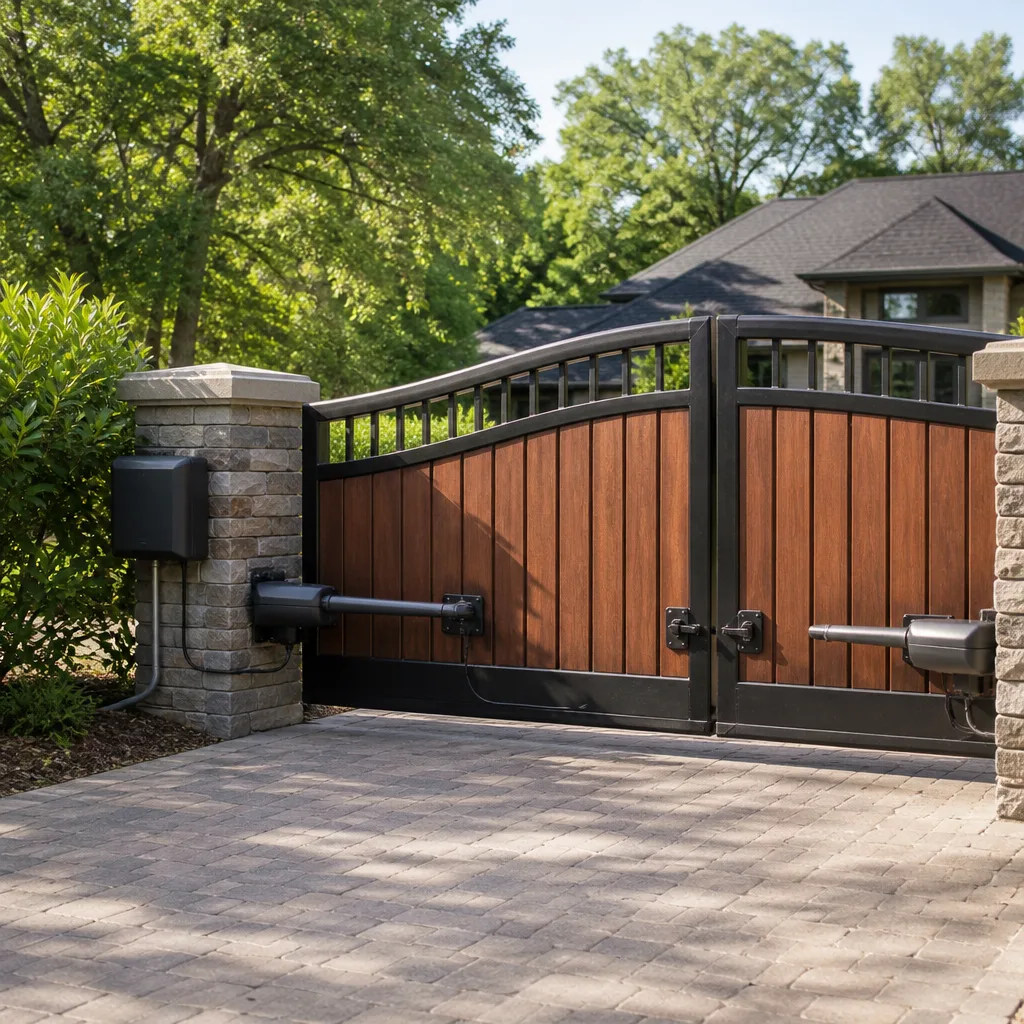 LiftMaster operators
Free on-site gate assessment - hinges, posts, and your LiftMaster or Nice gate operator checked before anything is quoted
The assessment is free and the quote is the invoice.
Get your free estimateDIY vs Professional Gate Repair: The South Gate Homeowner’s Decision Guide
Here’s a statistic that surprises most South Gate homeowners: roughly four out of ten gate service calls we roll on started as a DIY repair that went sideways. The homeowner had the right instinct, the right YouTube video queued up, and usually the wrong torque spec or diagnostic sequence. The result is a $40 part that became a $600 correction. What follows is a field guide to drawing the line yourself. We’ll walk through which gate repairs are genuinely safe for a confident homeowner, which ones California code reserves for licensed electricians, and which ones sit in the gray zone where your warranty, your liability exposure, and your time all take a hit before you turn the first bolt.
Quick Answer
Most mechanical gate repairs, like tightening hardware, greasing hinges, and replacing remote batteries, are safe for a South Gate homeowner with basic tools. Anything involving the operator’s internal wiring, capacitor, control board, or line-voltage connections should go to a Gate Repair services specialist, both because California code requires a licensed C-10 electrician for line-voltage work and because most brand warranties die the moment a non-professional opens the motor housing. The realistic middle zone, like limit switch adjustments or sensor realignment, is technically DIY-possible but carries specific risks we’ll map out in detail below.
Styles & brands we work with
- Wrought iron
- Wood & steel frame
- Farm & ranch
- Sliding driveway gates
- LiftMaster operators
Table of Contents
- Understand What Kind of Gate You Actually Have
- Definitely DIY: Repairs That Are Safe, Legal, and Warranty-Friendly
- Licensed Territory: What California Code Requires a C-10 Electrician For
- The Gray Zone: Technically Possible, Practically Risky
- The Warranty Minefield: What Each DIY Action Does to Your Coverage
- Do You Actually Have the Tools? A Reality Check
- Landlord and Property Manager Liability: The UL 325 Problem
- The Cost-Honest Comparison: When DIY Saves Real Money and When It Doesn’t
Understand What Kind of Gate You Actually Have
Before you decide whether to touch anything, you need to know what’s hanging on your posts. South Gate runs the full spectrum, from 1930s Spanish-style walk gates on Tweedy Boulevard to modern slide gates on industrial lots off Garfield Avenue. The type of gate and operator you own determines about 80% of the answer to the DIY question.
A manual gate, no motor, no sensors, is the most forgiving. If it drags or won’t latch, you’re looking at hinge wear, post settling, or a strike plate alignment issue. This is hardware-store territory. A single-swing or dual-swing automated gate adds an operator arm or underground motor, safety loops or photo eyes, and a control board. A slide gate, common on South Gate multi-unit properties and commercial yards, runs on a track and trolley system with a higher-horsepower motor, and these are the least forgiving of operator errors. Cantilever gates side-step the track entirely, but their counterweight balance is engineered within a narrow tolerance. When someone loosens the wrong bolts, the whole gate can drop.
We work across the major operator brands: electric gate repair in South Gate includes everything from a Mighty Mule on a single-family driveway to a FAAC hydraulic operator on a commercial entry. Each brand has its own diagnostic logic, and the repair boundary changes with the equipment tier. Ghost Controls and Mighty Mule design for the homeowner market, with plug-and-play parts and forgiving diagnostics. Viking, DoorKing, and Elite build for commercial duty cycles. Those operators assume a trained technician with the right diagnostic tool, and guessing without it gets expensive.
Definitely DIY: Repairs That Are Safe, Legal, and Warranty-Friendly
Let’s start with what you can and should handle yourself. These tasks require no license, no factory tool, and no exposure to line voltage. They won’t void a warranty, and they’re the same things we tell our own South Gate customers to check before calling us, because they solve the problem about a third of the time.
1. Remote and Keypad Battery Replacement
Reprogramming a gate remote is a legitimate DIY task. If your remote’s range is shrinking or it takes multiple presses, start here. Most remotes use a standard coin cell or 9-volt, and the programming sequence for homeowner-grade brands like Ghost Controls is printed in the manual. Don’t skip the manual. The number of remotes we see wiped because someone held the learn button too long is not small.
2. Photo Eye Cleaning and Realignment
South Gate dust and the occasional Santa Ana wind gust coat photo eyes fast. If your gate reverses for no reason or refuses to close, wipe both lenses with a dry cloth first. If the beam is knocked out of alignment, loosen the mounting bracket, re-aim until the indicator light goes solid, and retighten. This is a two-screw job.
3. Track and Roller Cleaning on Slide Gates
Slide gates on South Gate commercial properties collect gravel, leaves, and the occasional pallet wrap. Clearing the track costs nothing. A pressure washer and a stiff brush solve most drag complaints. Do not lubricate the track itself, dry slide gates run dry. Grease on the track turns into grinding paste.
4. Hinge and Hardware Tightening
Every gate cycles thousands of times a year. Bolts back out. A socket set and ten minutes resolves a wobble that would eventually wallow out the mounting holes. Check hinge bolts, operator bracket bolts, and gate wheel bolts on a quarterly schedule.
5. Debris Removal from the Gate Path
A surprising percentage of “my gate won’t close” calls are a branch, a planter, or a kid’s bike in the detection zone. Walk the full swing or slide path before touching anything else.
Licensed Territory: What California Code Requires a C-10 Electrician For
Here’s where the rules get hard. California Business and Professions Code is explicit: any work that connects to a building’s electrical system at line voltage requires a C-10 electrical contractor license. This isn’t a recommendation. It’s a legal boundary, and it applies to gates in South Gate the same as anywhere else in the state.
Concretely, a licensed C-10 is required when the work involves running new conduit or branch circuit wiring to a gate operator, connecting a new operator to a breaker panel, replacing a hardwired transformer or power supply, or touching any component on the line-voltage side of the circuit. The low-voltage side, the 24-volt control circuit, sensors, keypads, push buttons, is generally not license-restricted. But the moment your screwdriver is within contact distance of 120 or 240 volts, you’re on the wrong side of the code.
This matters for a different reason than you might think. It’s not just about the legal exposure if something goes wrong, though that’s real. It’s that the state established this line because line-voltage electrical work has a body count. Arc flash, electrocution, and fires from loose terminations are the reasons the code exists. A gate motor on a South Gate rental property with a loose line connection is a fire waiting to happen in a place people sleep.
When we do a gate installation in South Gate that requires a new power run, we coordinate the electrical portion through the proper licensed channel. The homeowner’s responsibility is to know that this isn’t a handyman task. We’ve seen extension cords buried in conduit, UF cable run above ground across driveways, and back-fed transformers that bypassed the breaker. All of it was DIY work that “worked” until it didn’t.
The Gray Zone: Technically Possible, Practically Risky
Between the clearly safe and the clearly prohibited sits a band of work that the law allows but experience complicates. These are the repairs where we see South Gate homeowners save $200 in labor and spend $500 fixing the downstream damage. The decision here is about honest self-assessment, not legality.
Limit Switch and Force Adjustment
Adjusting the limit switches on a high-cycle commercial operator without the factory diagnostic tool will either damage the board or reset all your safety parameters, and you won’t know which until the gate fails again. DoorKing and Viking operators, common on South Gate apartment complexes and industrial yards, store their limits and force profiles on the control board. A homeowner with a multimeter and the manual can physically adjust the mechanical switches on older units. On newer units, the switches are digital, and the manual assumes you have the brand’s handheld programmer. You don’t. Guessing at force settings to fix a gate that reverses mid-travel is how entrapment accidents happen, because force adjustment without verification against UL 325 standards is a guess about whether the operator will stop for a child.
Sensor and Loop Detector Replacement
Replacing a photo eye is a plug-and-play swap on many systems. Replacing an in-ground loop detector is not. Loop detectors require saw-cutting asphalt or concrete in the driveway, sealing the loop wire at the right depth and spacing, and tuning the detector to the loop frequency. Get the loop geometry wrong and the gate refuses to hold open for vehicles, which on a South Gate commercial property means traffic backing up onto the street. We see this on about one in ten DIY attempts that reach us.
Chain and Belt Tensioning on Slide Gates
Tensioning a drive chain on a Viking or Elite slide operator is mechanically straightforward. The problem is knowing what the tension should be. Too tight and you load the motor bearings and burn out a $400 motor over six months. Too loose and the chain skips, which throws the limit reference and sends the gate crashing into the end stop. The factory spec is usually printed on the operator frame. If it’s not, you’re guessing.
Keypad and Intercom Wiring
Wiring a new keypad into a low-voltage control board is within the letter of the law. It’s also where we see the most board damage from miswired terminals. Every control board has legend that tells you where the wires go. But every board also has a tolerance for exactly one miswire before something pops. If you’re color-matching wires without reading the terminal diagram, you’re risking the board, and a replacement board for a DoorKing or FAAC system runs $300 to $700 before labor.
Our rule of thumb we share with South Gate customers: if the repair requires opening the operator housing or the control board enclosure, and you’re not 100% clear on the terminal diagram, the risk calculation has already failed. That’s the line where we suggest gate repair in South Gate from someone who does this daily.
The Warranty Minefield: What Each DIY Action Does to Your Coverage
Most automated gate operator warranties, and this holds across LiftMaster, FAAC, BFT, Linear, Viking, Ghost Controls, DoorKing, Elite, and Mighty Mule, specify that installation and service must be performed by a qualified professional. The exact language varies, but the effect is consistent: unauthorized modification or service voids coverage. What counts as unauthorized is broader than most homeowners realize.
Opening the motor housing on a Ghost Controls operator doesn’t automatically void the warranty. Replacing the control board yourself does, because the board was replaced outside an authorized service channel. Adjusting the force settings with the manufacturer’s homeowner-facing interface is often fine. Opening the housing and adjusting the internal potentiometer is not. On commercial Viking and Elite operators, the warranties effectively require factory-trained service for any internal component. A single opened terminal cover that can’t be proven to have been opened by a professional gives the manufacturer grounds to deny a future motor claim.
Here’s the specific map we’ve built from servicing these brands across South Gate:
- Ghost Controls and Mighty Mule: Replacing remotes, photo eyes, and external accessories is warranty-safe. Internal control board work is not covered and voids the operator warranty.
- DoorKing and Linear: Any control board replacement or limit adjustment performed by a non-dealer voids the electronics warranty. Mechanical adjustments are gray, but a stripped gear caused by mis-set limits won’t be covered.
- Viking and Elite: These are commercial warranties. They expect a log of professional service. Any internal work without documentation is a coverage denial waiting to happen.
- FAAC and BFT: Hydraulic operators. Opening the hydraulic reservoir or adjusting pressure settings by anyone other than a trained tech voids the warranty immediately, and the failure modes involve hot fluid and high pressure.
The warranty math is simple to do at home. If the part you’re about to touch costs more than $200 to replace, and the operator is still under warranty, the DIY labor savings are a rounding error against the coverage you’re forfeiting. If the operator is a decade old and out of warranty anyway, the math shifts, and that’s where an honest DIY attempt can make sense. We’re not dogmatic about this. We are specific about what voids what.
Do You Actually Have the Tools? A Reality Check
The most common DIY gate repair failure we see in South Gate isn’t lack of skill. It’s lack of the right tool, discovered after the gate is already disassembled on the driveway. Here’s what the most commonly attempted repairs actually require.
For Sensor Realignment and Keypad Swaps
- #2 Phillips screwdriver
- Small flat-head screwdriver for terminal blocks
- Digital multimeter for continuity testing (a $25 one is fine)
- Wire strippers sized for 18-22 AWG low-voltage wire
- Electrical tape or heat-shrink tubing for any splice
For Hinge and Bracket Work
- Socket set, metric and SAE, through 19mm or 3/4 inch
- Torque wrench if you want the bolts to stay put
- Level, 24-inch minimum
- Grease gun with lithium-based grease for hinges only, never tracks
For Slide Gate Track and Trolley Work
- Pressure washer or hose with a stiff brush
- Floor jack to lift the gate off the track if the wheels need servicing
- Replacement wheels with sealed bearings, matched to the existing wheel diameter
- Feeler gauge for chain sag measurement if you’re tensioning
What You Don’t Have
The brand diagnostic programmers for Viking, DoorKing, FAAC, and Elite are not available to the public. They’re distributed through dealer channels, and they cost $500 to $2,000. Without them, electronic diagnosis on these operators is an educated guess at best and a board-killing event at worst. The multimeter tells you a wire has continuity. It does not tell you the control board’s error history, the force profile, or whether a limit fault is real or induced. That’s the specific difference between what a gate specialist sees and what a homeowner can see.
Landlord and Property Manager Liability: The UL 325 Problem
If you own a rental property in South Gate with an automated gate, the DIY calculation is fundamentally different from a single-family homeowner’s. You are not just risking your own gate. You are carrying liability for every tenant, visitor, delivery driver, and child who interacts with that gate. The relevant standard is UL 325, which governs entrapment protection for automated gate operators. The standard is technical, and compliance is measured in very specific ways: force limits at specific points in travel, photo eye placement at specific heights, reversing behavior within specific time thresholds.
When a landlord or property manager performs a DIY force adjustment or sensor repositioning, they are personally making a UL 325 compliance decision without the tools to verify it. If the gate later injures someone, which happens most often by entrapping them between the gate and the post, the injury is not evaluated against “did the landlord mean well.” It’s evaluated against “did the gate meet the standard at the moment of injury.” A gate that reverses in eight-tenths of a second instead of the required six-tenths is a violation, and the difference is not detectable by hand-feel.
This is the specific scenario where we tell South Gate property owners the same thing every time: the DIY savings vanish the moment the word entrapment enters the conversation. A $150 service call to verify force settings and sensor alignment is the cheapest liability insurance available. The gate between a South Gate apartment building’s parking area and the street is a machine that moves with enough force to cause real injury. Treating its safety calibration as a weekend project is a decision you’d have to defend in front of a jury, and in our experience, it’s not a defense that holds.
The Cost-Honest Comparison: When DIY Saves Real Money and When It Doesn’t
Let’s talk numbers, honestly, because the DIY-versus-professional decision usually comes down to money – see our Gate Repair Cost Breakdown: The South Gate Homeowner’s Reference for 2026 for deeper detail. South Gate gate service pricing runs predictable ranges. A service call for diagnosis typically lands between $75 and $125. Common repairs, like a new photo eye, a receiver board, or a limit switch, run $150 to $400 with parts included. A full operator replacement on a residential swing gate runs $800 to $1,800 depending on brand and power. A commercial slide operator on a Viking or Elite system can run $2,500 to $5,000 installed.
Against those numbers, the DIY savings on small stuff is real. Replacing remote batteries yourself saves the service call minimum. Cleaning photo eyes yourself saves a dispatch. Tightening hinges yourself prevents a future repair. These are legitimate savings, and we’re glad you’re doing them.
The savings evaporate in three specific scenarios we see repeatedly in South Gate. First, misdiagnosis. A gate that won’t open can be a bad remote, a dead battery, a blown fuse, a failed limit switch, a logic board, or a capacitor. The homeowner guesses the limit switch because a forum thread said so. The part is $40. It wasn’t the limit switch. The actual cause was the control board, and now the DIY attempt has added a fresh variable to the diagnosis. The $40 part becomes a $600 professional correction because the technician now has to undo the homeowner’s work before starting their own. This happens on a weekly basis.
Second, repair-induced damage. A homeowner replaces a photo eye and crosses a wire on the board. The board fries. The photo eye was $30. The board is $400. The total cost is triple what a professional repair would have been.
Third, the waiting cost. A South Gate business with a gate stuck open loses security, employee time, and sometimes revenue. A DIY attempt that takes two weekends to complete, then fails, has a business cost far beyond the parts. This is where the professional answer is cheapest even when the labor line item looks expensive.
Our position is not that everything needs a pro. It’s that the cost calculation has to include the cost of being wrong, and in gate repair, being wrong is usually more expensive than the repair you were trying to save on.
Common Mistakes to Avoid
- Miswiring the control board by terminal color instead of terminal label. Wire colors are not standardized across brands. The legend printed on the board is the only reliable guide, and one miswire can fry a $400 board in South Gate’s salt-adjacent air where everything corrodes faster anyway.
- Lubricating a slide gate track. Dry slide gates run on steel wheels on steel track. Grease attracts South Gate dust and creates a grinding paste that destroys wheels. This is the single most common DIY maintenance error we correct.
- Adjusting force settings without a way to verify the result. Hand-feel is not measurement. A gate that feels right against your hand can still exceed UL 325 entrapment force limits, and the liability lands on whoever set it that way.
- Attempting a gate spring or counterweight adjustment without understanding the stored energy. Gates under spring tension or with counterweights store hundreds of pounds of force. Releasing the wrong bolt turns a maintenance task into an injury. This is one repair where we always recommend calling a gate specialist, no exceptions.
- Skipping the manual because the video looked straightforward. Two operators that look identical can have different terminal layouts between production years. The manual for your specific model is the only reliable reference, and it’s usually a free PDF.
- Ignoring the power disconnect before working on any electrical component. We know you know this. We still see the results. Flip the breaker, lock it out if possible, and test the circuit before touching any wire.
- Assuming a new remote will work without programming. Remotes are not universal. Buying a replacement remote online and finding it won’t pair with your older DoorKing or Viking receiver is a common $30 waste in South Gate.
See the difference
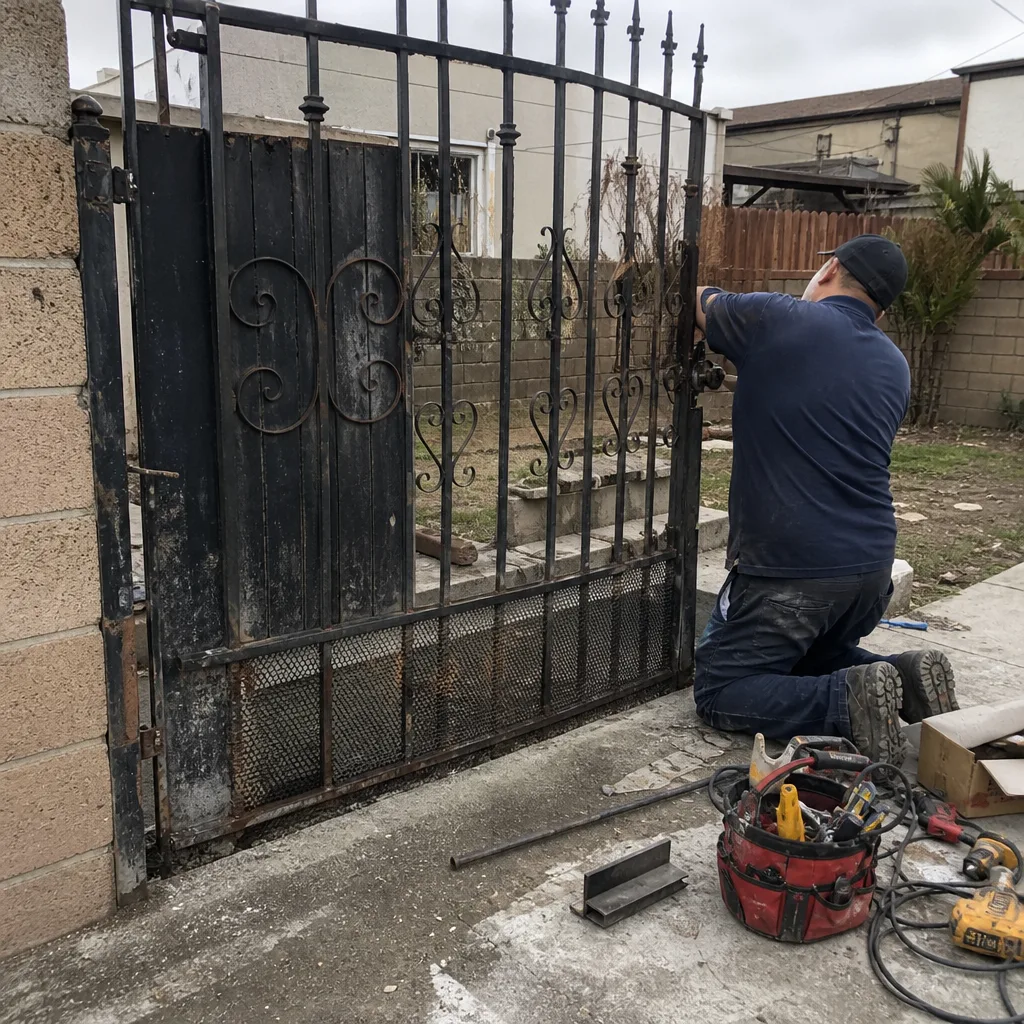 Before
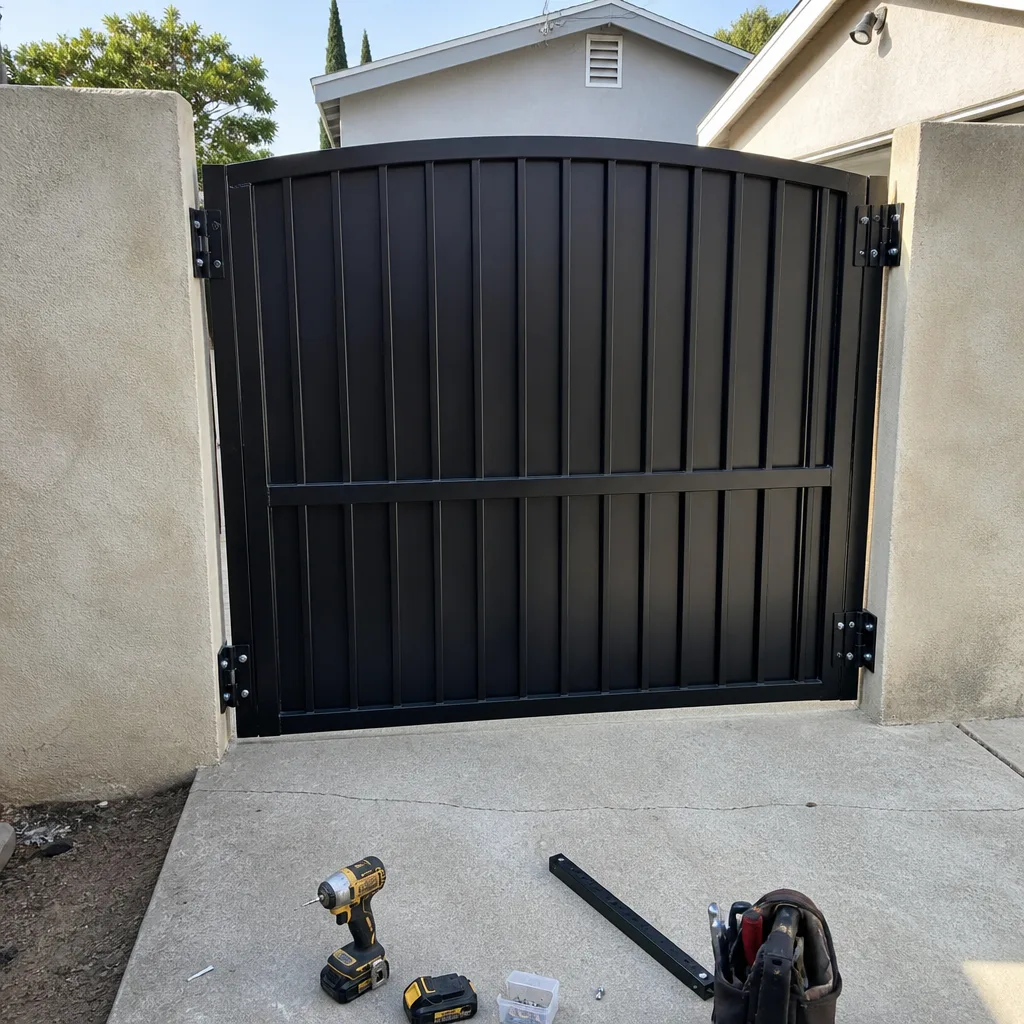 After
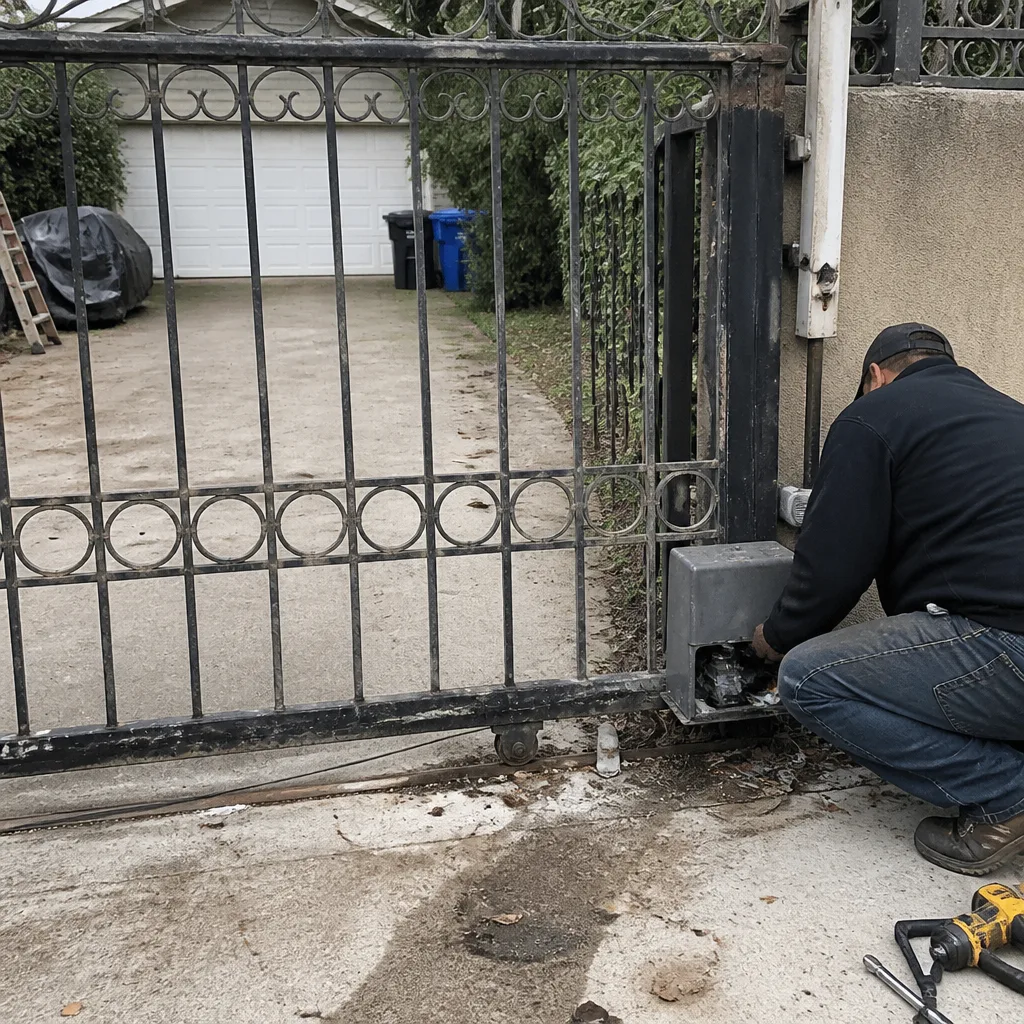 Before
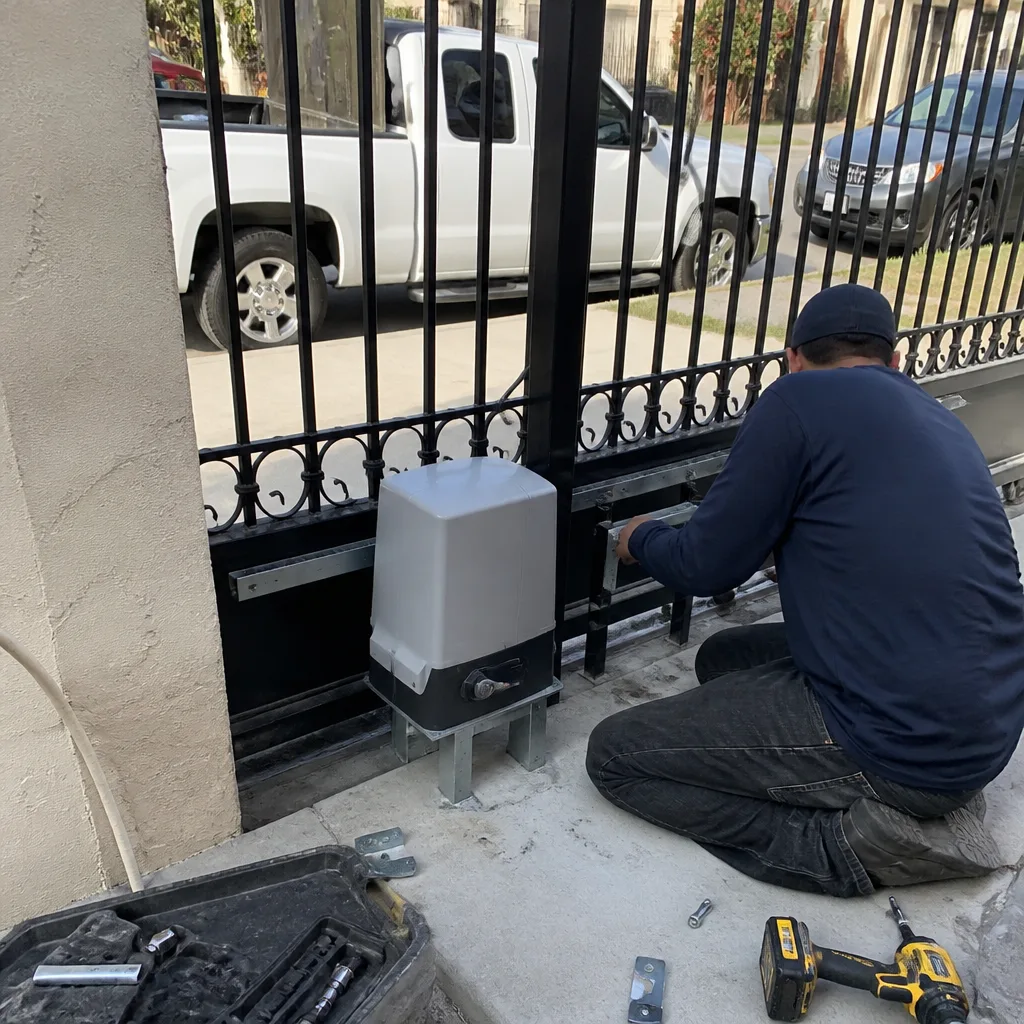 After
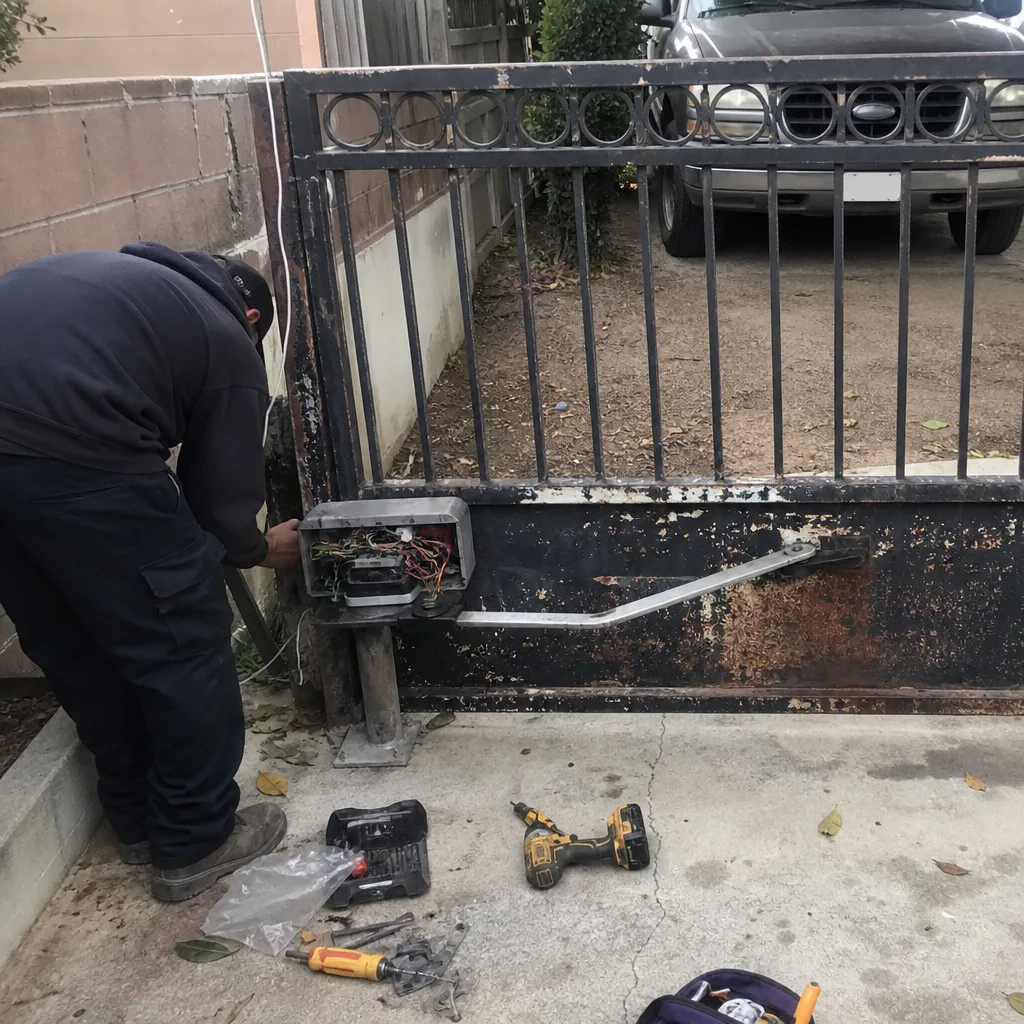 Before
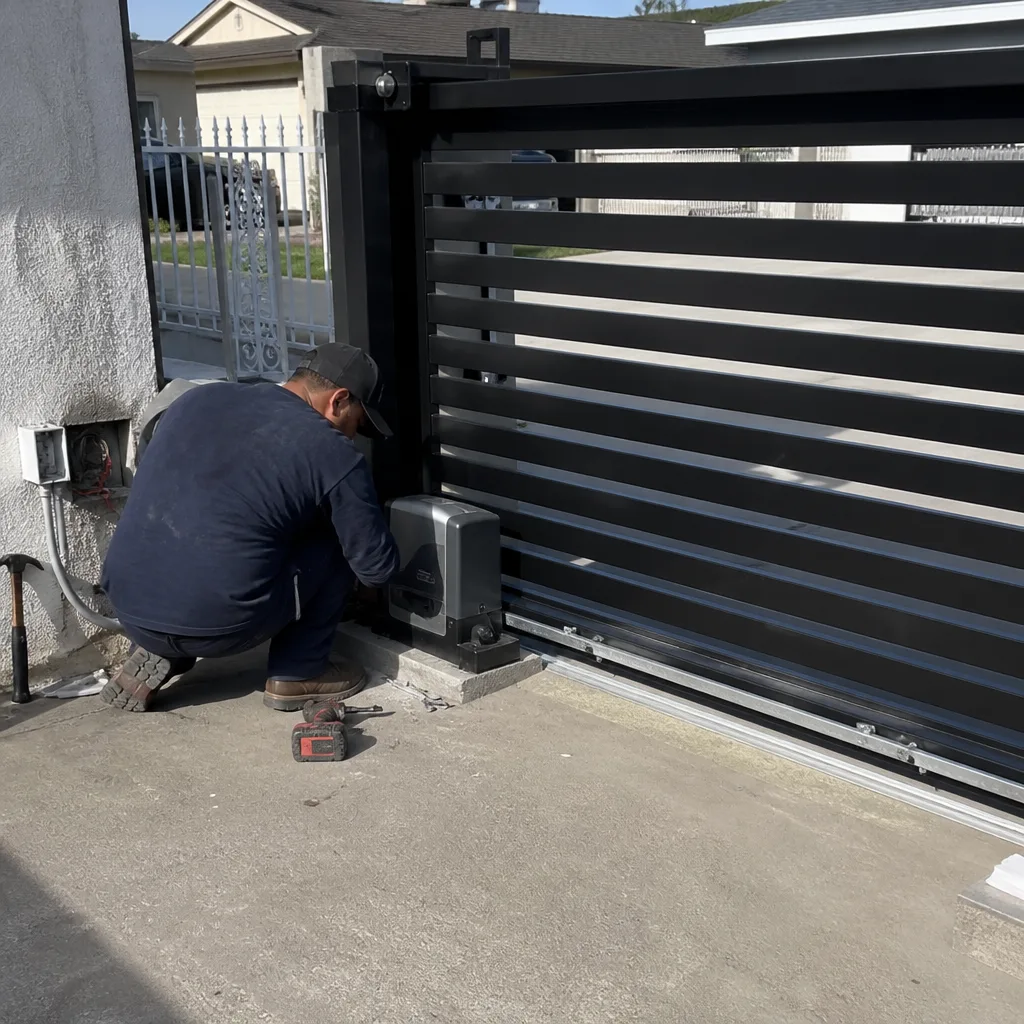 After
When to Call a Professional
Call a gate specialist when the gate won’t respond to any input, when the operator hums but doesn’t move, when the gate reverses for no visible reason, when a tenant or employee reports a near-miss, when the motor housing smells burnt, when the gate was struck by a vehicle, or when any internal component of the operator requires access. These are the scenarios where diagnosis replaces guesswork, and where the wrong guess compounds the cost. Gate Repair South Gate offers free estimates in South Gate, and we’d rather talk you through a phone diagnosis for five minutes than have you open the wrong housing. Call (833) 620-0289 and describe what the gate is doing. Around a third of those calls end with a fix we talk you through on the phone, no charge, no dispatch.
Frequently Asked Questions
You can legally replace a gate motor on the low-voltage side of the system, but the line-voltage connection to the new motor requires a C-10 licensed electrician under California code. In practice, most South Gate homeowners find that the motor, mounting, and programming work is simpler and safer as one professional job, because the warranty on a new Viking or Elite motor typically requires professional installation anyway.
Remote and keypad battery changes, photo eye cleaning and realignment, track and roller cleaning on slide gates, hinge and bracket tightening, and general debris removal from the gate path are all safe, legal, and warranty-friendly homeowner tasks. These are the same checks we walk our own South Gate customers through on the phone before scheduling a visit.
On most operator brands, any work performed inside the motor housing or control board enclosure by a non-professional voids the electronics warranty. External accessories and mechanical adjustments are usually fine. The specific line varies by brand: Ghost Controls is homeowner-tolerant, Viking and Elite are not, and DoorKing sits in the middle.
Most repair work does not require a permit. New installations that change the gate’s footprint, height, or the location of a property line fixture may require planning review through the City of South Gate Building Division. Electrical work associated with a new power run requires a C-10 contractor, and that contractor handles any electrical permit requirements.
Diagnostic service calls in South Gate typically run $75 to $125, common repairs with parts run $150 to $400, and full residential operator replacements run $800 to $1,800. Commercial slide operators run $2,500 to $5,000 installed. The cost of a DIY attempt that fails is usually the cost of the original repair plus the professional correction, because misdiagnosed work adds labor and variables to the job. Call (833) 620-0289 for a straight estimate before you start.
In most South Gate emergency situations, a gate stuck open is treated as a security priority, not a scheduled service. Call (833) 620-0289 and describe the situation. We’ll confirm whether an immediate dispatch is available and what the call-out looks like before anyone rolls. For non-emergency repairs, we schedule with fair lead times and give you the actual window, not a vague promise.
The Bottom Line
The DIY-versus-professional gate repair question resolves cleanly when you look at it by component. The battery, the photo eye lens, the hinge bolts, and the track debris are yours to manage, and managing them prevents half the service calls we get. The motor internals, the control board, the line voltage, and the force settings are professional territory, not because we’re protective of the work, but because the law, the warranty, and the safety standard all say so. The gray zone in between is where South Gate homeowners should be honest about their tools and their tolerance for a repair that goes wrong. The gate at the edge of your property is either a manageable machine or a liability, and which one it is depends almost entirely on which side of that line you choose. If you’re not sure, call (833) 620-0289. We’ll tell you straight what you can do yourself, what you shouldn’t, and what to expect. For more guides & resources, visit our blog. it’ll cost if we do it for you.
Written by the team at Gate Repair South Gate, serving South Gate since 2013.